Author: Frankie Torok - Page 4

How to Handle Expired Pediatric Medications Safely: A Parent's Guide
Learn how to safely identify and dispose of expired pediatric medications to prevent child poisoning and ensure treatment efficacy. Expert guide for parents.
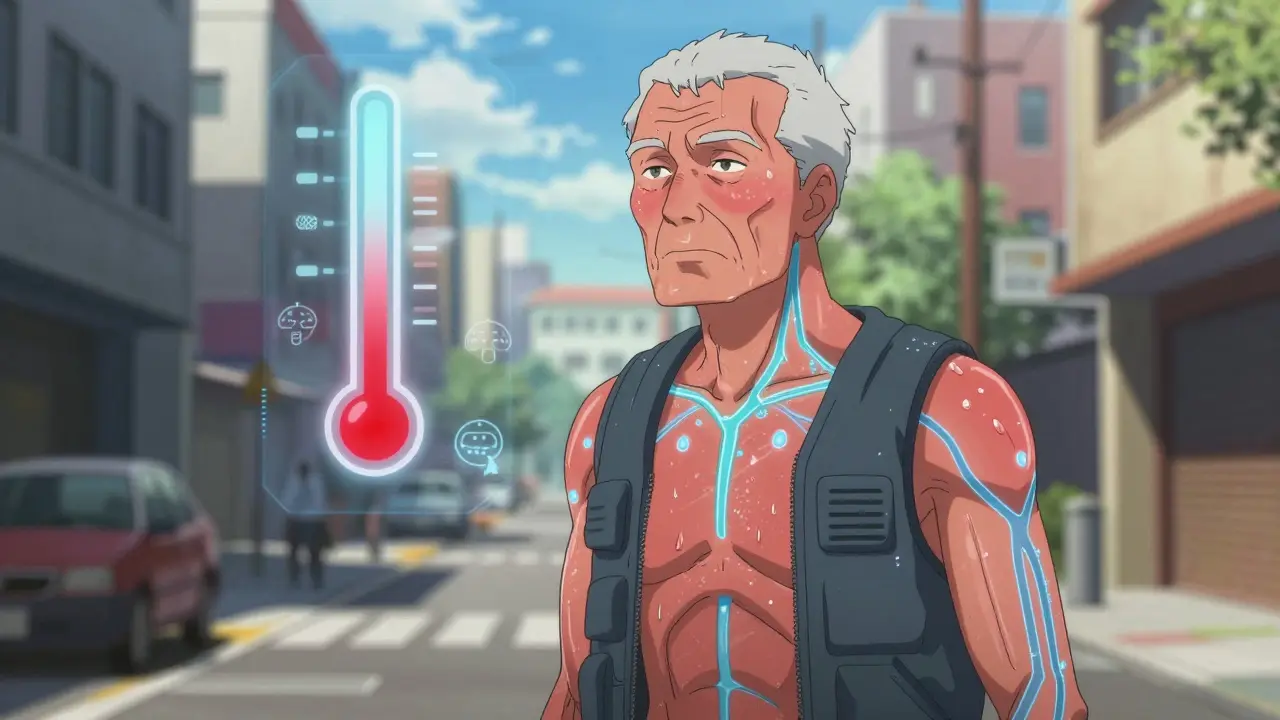
Medications That Cause Decreased Sweating and Heat Intolerance
Certain medications block sweating and disrupt your body’s ability to cool down, leading to dangerous heat intolerance. Learn which drugs cause this, who’s at risk, and how to stay safe in hot weather.

Drug Allergies: Penicillin, NSAIDs, and Desensitization Protocols Explained
Most people labeled penicillin-allergic aren't truly allergic. Learn how accurate testing and desensitization protocols can save lives, reduce costs, and improve treatment for penicillin, NSAIDs, and other drug allergies.

How to Clear Security with Liquid Medications and Supplies at Airports
Learn how to clear airport security with liquid medications like insulin, EpiPens, and prescription liquids without delays. Follow TSA’s 2025 rules, avoid common mistakes, and pack smart for a smooth travel experience.
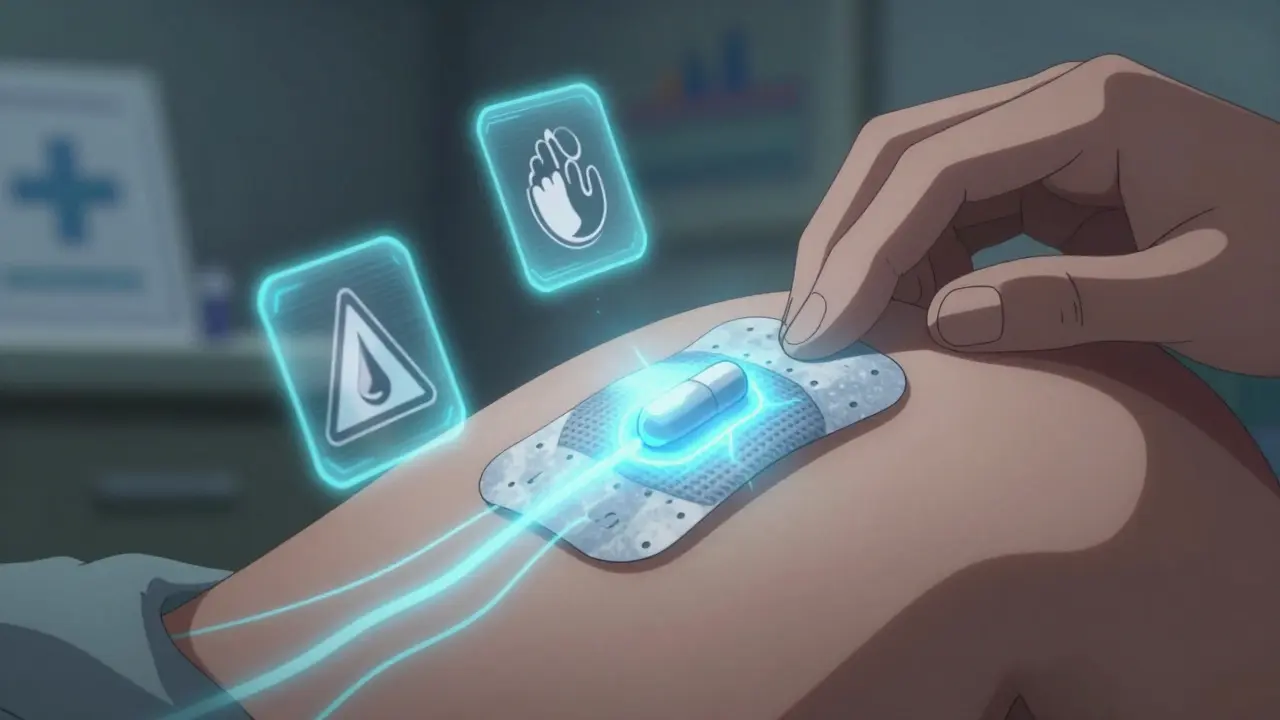
How to Prevent Overdose with Patch, Liquid, and Extended-Release Medications
Preventing overdose with patch, liquid, and extended-release medications requires knowing how each form works - and what happens when rules are broken. Learn how to use them safely, why naloxone matters, and what to do in an emergency.
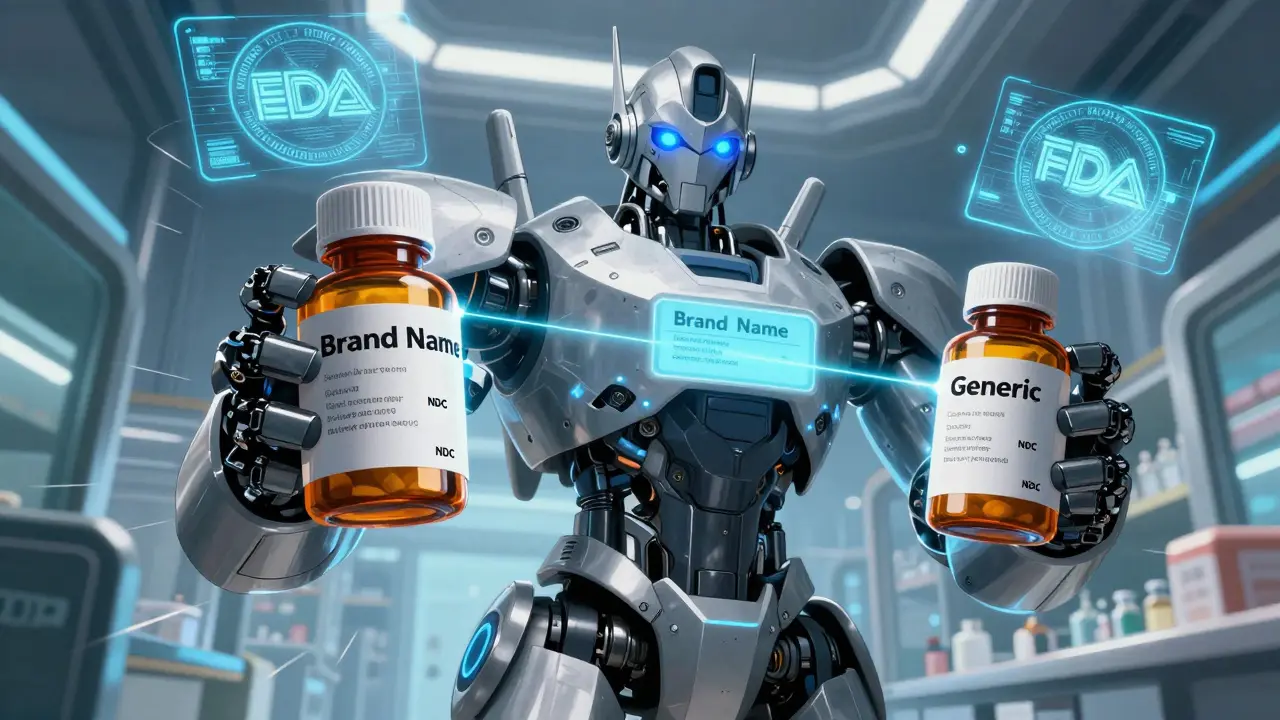
Generic Drug Labeling Requirements: What FDA Mandates
The FDA requires generic drug labels to match the brand-name version exactly, with only minor exceptions. This ensures patient safety but creates delays in updating critical warnings. Learn how the system works - and why it's under pressure to change.
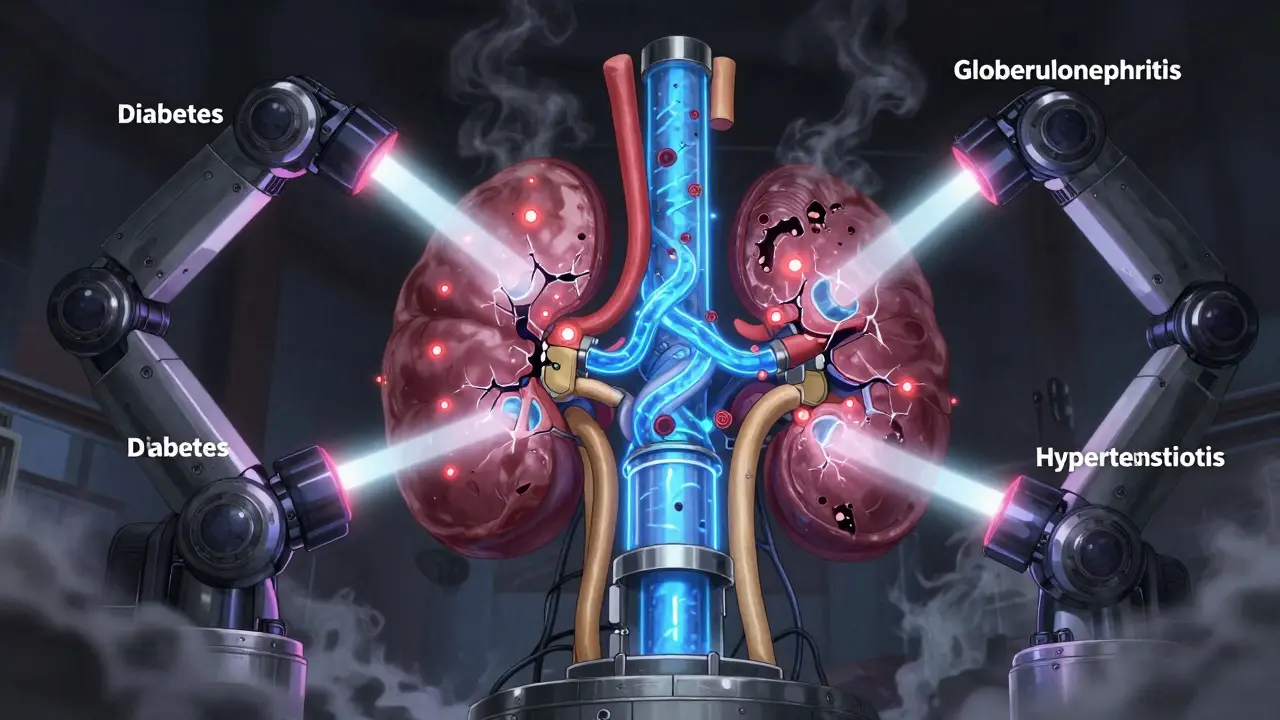
Kidney Failure Causes: How Diabetes, Hypertension, and Glomerulonephritis Damage Your Kidneys
Diabetes, hypertension, and glomerulonephritis cause over 80% of kidney failure cases. Learn how each damages your kidneys, how fast they progress, and what you can do today to protect your kidney function before it's too late.
Generic Pill Appearance Changes: What You Need to Know About Safety, Legality, and Patient Impact
Generic pills can change color, shape, or size - even though they're the same medicine. Learn why this happens, how it affects your health, and what to do when your pill looks different.

30-Month Stay: How Litigation Delays Generic Drug Approval
The 30-month stay under the Hatch-Waxman Act delays generic drug approvals by tying FDA approval to patent litigation. This mechanism, meant to balance innovation and access, often extends brand monopolies, raising drug costs by billions annually.
NSAIDs vs. Acetaminophen: Which Pain Reliever Is Right for You?
NSAIDs and acetaminophen are the two most common pain relievers, but they work differently and carry unique risks. Learn which one to choose for headaches, arthritis, back pain, and more-and how to use them safely.