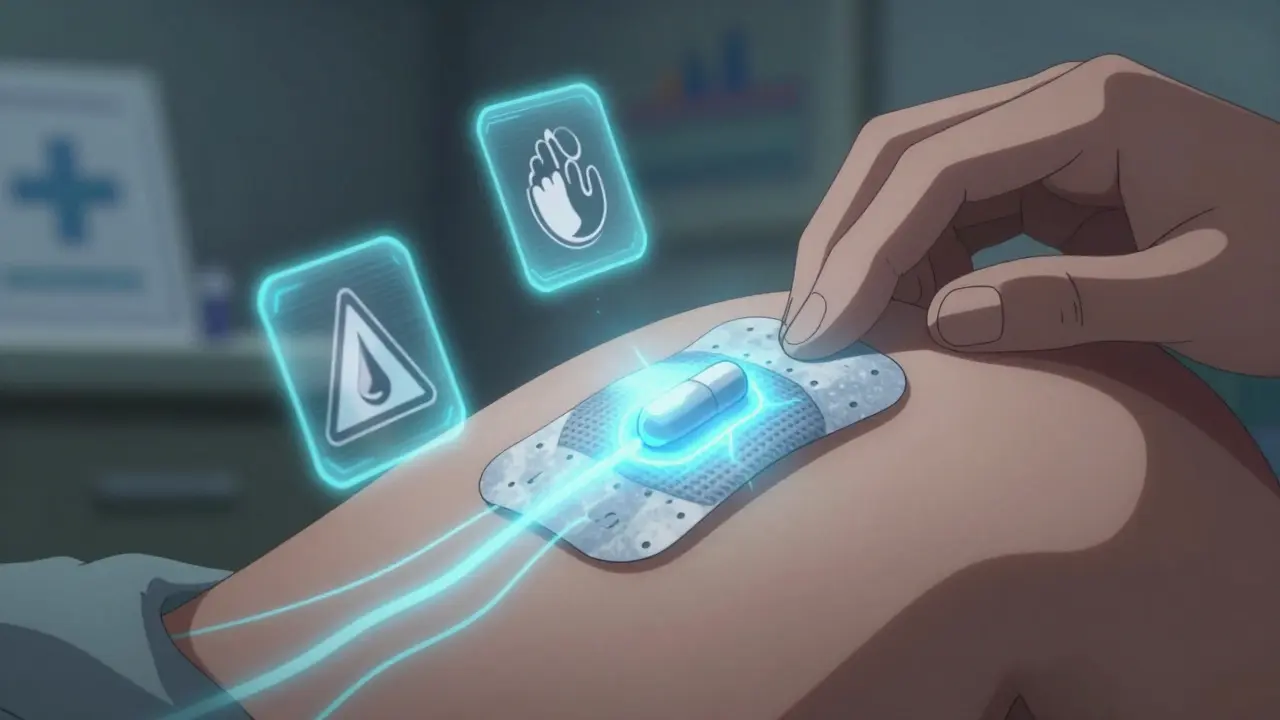
Every year, thousands of people die from overdoses tied to prescription medications - not because they took too many pills, but because they didn’t know how their specific form of medicine works. Overdose prevention isn’t just about avoiding drugs. It’s about understanding how patch, liquid, and extended-release medications behave in your body - and what happens when things go wrong.
Why These Forms Are Riskier Than You Think
Patches, liquids, and extended-release pills aren’t just different ways to take medicine. They’re designed to release drugs slowly, over hours or days. That’s great for managing pain. But if you don’t follow the rules, that slow release can turn deadly.Take fentanyl patches. They’re meant to be worn on clean skin, changed every 72 hours, and never cut or heated. But people do. Some peel them off to reuse. Others cut them open to get the gel inside, thinking it’ll work faster. That’s how someone can overdose in minutes - not from taking too many, but from releasing a full day’s dose all at once.
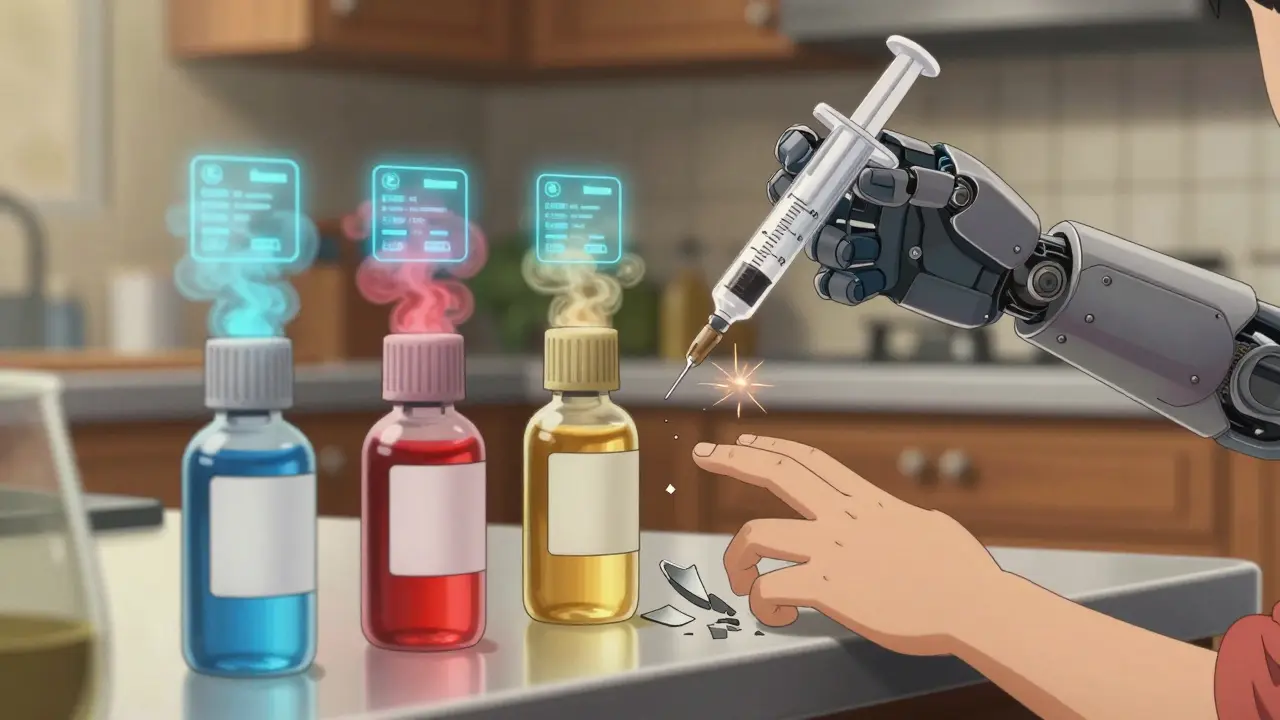
Liquid medications, like oral morphine or codeine syrup, are even trickier. A teaspoon isn’t a teaspoon. A plastic dosing cup from a pharmacy might be off by 20%. A kitchen spoon? Even worse. One study found that nearly 40% of caregivers gave the wrong dose of liquid pain medicine to children - and adults aren’t much better. A simple misread can mean a 3x overdose.
Extended-release pills - like OxyContin or tramadol ER - are built to last. Crushing them, chewing them, or dissolving them in water defeats the whole design. Instead of a 12-hour release, you get a full dose in seconds. That’s enough to stop breathing. And because these pills are often prescribed for chronic pain, people don’t realize they’re at risk. They think, “I’ve been taking this for months. It’s fine.” But one change - like skipping meals or drinking alcohol - can make it dangerous.
How to Use Patches Safely
- Never cut, tear, or puncture a patch. Even a small hole can let the drug leak out too fast.
- Apply only to clean, dry skin - no lotions or oils underneath.
- Replace exactly as directed. If you forget, don’t double up. Call your pharmacist.
- Store patches out of reach. Children have died from sticking used patches on their skin.
- Dispose of used patches by folding them in half (sticky side in) and flushing them or taking them to a drug take-back site.
- If you feel dizzy, sleepy, or have trouble breathing after applying a patch, get help immediately.
How to Use Liquid Medications Safely
- Always use the dosing tool that came with the medicine - never a kitchen spoon.
- Check the concentration. Some liquids are 5mg per 5mL. Others are 10mg per 5mL. Mixing them up kills.
- Label your bottles clearly. If you take more than one liquid, write the name, dose, and time on the bottle.
- Don’t mix liquids with alcohol or sleep aids. Even one beer can double the risk of breathing problems.
- Keep liquids locked up. A child drinking a bottle of cough syrup can die.
- If you’re unsure about the dose, call your pharmacy. Pharmacists have trained specifically for this.
How to Use Extended-Release Pills Safely
- Swallow whole. Never crush, chew, or dissolve them.
- Take on an empty stomach unless your doctor says otherwise. Food can change how fast the drug releases.
- Don’t skip doses and then take two to make up for it. That’s a common cause of overdose.
- Watch for signs of too much: extreme drowsiness, slow breathing, cold skin, confusion.
- If you’re switching from immediate-release to extended-release, give your body time. Your dose will be lower.
- Never share your pills. Someone else’s body can’t handle your dose.
Naloxone Isn’t Just for Street Drugs - It’s for Prescriptions Too
Many people think naloxone (Narcan) is only for heroin or fentanyl bought on the street. That’s wrong. If you’re taking any opioid - patch, liquid, or extended-release - you need naloxone in the house.Here’s why: Naloxone reverses opioid overdoses. But with extended-release pills, it wears off in 30-90 minutes. The pill keeps releasing opioids. That means the person can overdose again - even after being revived. That’s called renarcotization. And it’s why you need to call 911 even after giving naloxone.
Keep naloxone where you keep your meds. Train someone in your household how to use it. Most kits are nasal sprays - no needles. You can get them for free at pharmacies in the UK without a prescription. Don’t wait for a crisis. Keep it ready.
What to Do If Someone Overdoses
- Call 911 immediately. You won’t get in trouble. UK law protects you if you call for help.
- Give naloxone if you have it. Spray one dose into one nostril.
- Keep giving breaths if they’re not breathing. Tilt the head back, lift the chin, and give one breath every 5 seconds.
- Stay with them. Even if they wake up, they can slip back into overdose.
- Don’t put them in the shower, give them coffee, or make them walk. Those don’t work. And they can kill.
Storage and Disposal Matter More Than You Know
A patch left on a bathroom counter. A bottle of liquid medicine on the kitchen counter. Pills in a purse. These are all accidents waiting to happen.Store all opioids in a locked box - even if you live alone. Use a medicine lockbox if you have kids, visitors, or roommates. Don’t rely on “I’ll just keep it in my drawer.” People find things.
Dispose of expired or unused meds properly. Don’t flush them down the toilet unless the label says so. Don’t throw them in the trash - someone might dig through it. Take them to a pharmacy that offers take-back. In the UK, most community pharmacies do this for free. If you can’t get there, mix pills with coffee grounds or cat litter, put them in a sealed bag, and throw them away. Patches? Fold them sticky-side in, tape them shut, and throw them out.
When to Talk to Your Doctor
If you’re taking any of these forms and you’ve ever:- Missed a dose and then took extra
- Used someone else’s medicine
- Felt like you needed more to get the same effect
- Used alcohol or benzodiazepines with your pills
- Been told you have a history of substance use
-then talk to your doctor about alternatives. There are non-opioid pain treatments, patches that don’t contain fentanyl, and liquid forms with built-in safety locks. You don’t have to keep risking your life.
Final Reminder: You’re Not Alone
Overdose doesn’t happen because someone’s “weak” or “reckless.” It happens because the system didn’t give them clear, practical advice. You’re not a statistic. You’re someone who deserves to live - and you can take steps today to protect yourself and others.Keep naloxone. Store meds safely. Never use alone. And if you’re unsure - ask. A pharmacist, a nurse, a friend - someone will help. You don’t have to figure this out alone.
Can I use a fentanyl patch if I’ve never taken opioids before?
No. Fentanyl patches are only for people already used to opioids. Starting with a patch can cause a fatal overdose, even at the lowest dose. Doctors require patients to be on other opioids first to build tolerance. Never use a patch unless your doctor specifically prescribed it for you.
Is it safe to drink alcohol while using extended-release pain pills?
No. Alcohol slows your breathing, and extended-release opioids do too. Together, they can stop your breathing completely - even if you’ve taken the pills for years. Many overdose deaths happen when people have one drink with their nightly pain medication. Don’t risk it.
How do I know if my liquid medicine is the right strength?
Check the label. It should say something like “5 mg per 5 mL” or “10 mg/mL.” If it doesn’t, ask your pharmacist. Never assume. Two different brands of the same drug can have different strengths. Using the wrong one can be deadly.
Can I cut an extended-release pill in half to save money?
Never. Cutting or crushing these pills releases the full dose at once. That’s like taking 12 hours’ worth of pain medicine all at once. It can kill you. If you can’t afford your prescription, talk to your doctor or pharmacist. There are programs that help. Don’t risk your life to save money.
Do I need naloxone if I’m only taking a low-dose patch?
Yes. Even low-dose patches can cause overdose if you have a reaction, use them wrong, or take them with other drugs. Naloxone is not just for high doses. It’s for anyone taking opioids - no matter how small the dose. Keep it nearby. It could save your life.
Where can I get naloxone in the UK for free?
Most community pharmacies in the UK offer naloxone kits for free under the Naloxone Access Scheme. You don’t need a prescription. Just ask. Some charities, needle exchange programs, and NHS clinics also give them out. If you’re unsure, call your local pharmacy - they’ll help you get it.