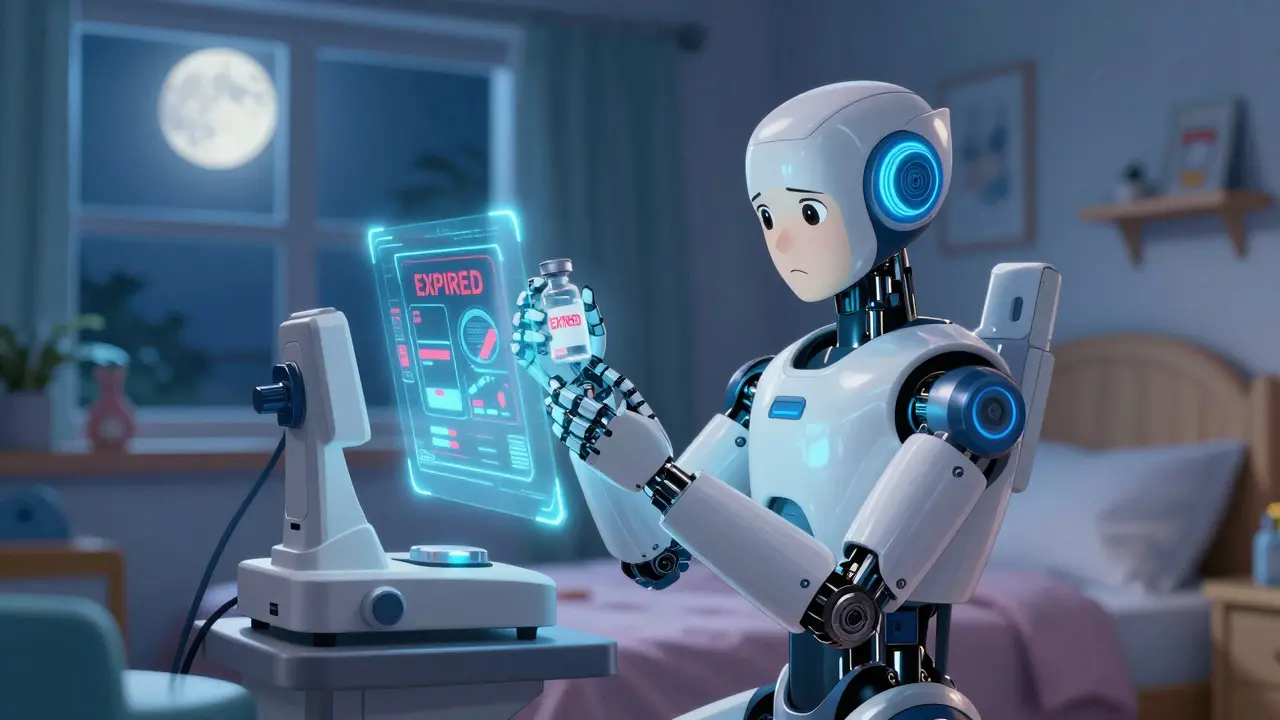
| Medication Type | Impact After Expiration | Critical Warning |
|---|---|---|
| Liquid Antibiotics | 87% loss of efficacy within 14 days | High risk of bacterial contamination |
| Insulin | Degrades by 1.5% every month | Unpredictable glucose control |
| Epinephrine Auto-injectors | 65% effectiveness after 6 months | Life-threatening in anaphylaxis |
| Nitroglycerin | 50% potency loss within 3 months | Ineffective for acute symptoms |
Why the Expiration Date Matters More for Kids
When we talk about medication, we aren't just talking about a "best by" date on a yogurt cup. For kids, the chemical stability of a drug is fragile. The Food and Drug Administration is the federal agency responsible for protecting public health by ensuring the safety and efficacy of medications. They warn that expired drugs can degrade into compounds that are harmful to a child's developing metabolism.
Consider liquid medications. These are far more unstable than pills. For example, Liquid Antibiotics are particularly volatile. Research from the University of Michigan shows that most lose their punch within two weeks of expiring. Even worse, a Johns Hopkins study found that a third of these samples developed bacterial contamination shortly after the expiration window. Giving a child a contaminated antibiotic doesn't just fail to treat the infection; it can introduce new pathogens into their system.
Some drugs can even flip their effects. Expert insights from the Pediatric Allergy and Immunology Journal note that expired antihistamines can sometimes cause excitability instead of the intended sedation. Imagine trying to calm a restless toddler only to accidentally trigger a hyperactive reaction because the chemical structure of the drug shifted over time.
The Hidden Dangers of Improper Storage
Expiration dates assume the medicine was stored perfectly. If your medicine cabinet is in a humid bathroom or near a heat vent, that date is essentially meaningless. Acetaminophen (the active ingredient in Tylenol) suspensions can lose 22% of their potency if they sit in temperatures above 86°F (30°C) for just a month. If the drug is already weak due to heat, and then it expires, you're essentially giving your child a placebo-or worse.
Then there is the issue of accessibility. Many parents rely on child-resistant caps, but these are not foolproof. CPSC testing shows that 62% of children aged 4 to 5 can crack these containers in under a minute. When expired medications linger in the house, they become a temptation for curious toddlers. The Centers for Disease Control and Prevention (CDC) reports that medicines are the top cause of child poisoning, with roughly 60,000 emergency room visits a year for kids under five.
How to Dispose of Medications the Right Way
Tossing a bottle of syrup in the trash or flushing it down the toilet might seem easy, but it's often the wrong move. Flushing sends pharmaceutical compounds into the water supply, and trash cans are often raided by pets or other children. The gold standard is the drug take-back program.
The Drug Enforcement Administration (DEA) operates thousands of permanent disposal sites, often located inside pharmacies like Walgreens or CVS. These kiosks are the safest way to ensure chemicals don't end up in the environment or the wrong hands.
If you absolutely cannot get to a take-back site, follow these steps for household trash disposal (unless the drug is on the FDA's specific "flush list"):
- Mix it up: Combine the medication with something unpalatable, like used coffee grounds or cat litter. This makes the drug less attractive to animals and children.
- Seal it: Place the mixture in a sealable plastic bag or a sturdy container.
- Hide the identity: Scratch out your name and personal details from the prescription label. This protects your privacy and prevents identity theft.
- Toss it: Place the sealed container in your household trash.
Creating a Home Medication Safety System
The best way to avoid the "expired medicine panic" is to stop it from happening. Most parents don't check dates until the child is already sick, but a proactive audit can save a lot of stress.
- The Monthly Sweep: Set a recurring calendar alert to check liquid medications every month and solids every quarter. Liquid drugs are higher risk and need more frequent checks.
- The Five-Foot Rule: Store all medicines-including vitamins and creams-in locked cabinets at least five feet off the ground. This simple shift reduces poisoning risks by 76%.
- Ditch the Kitchen Spoon: Never use a household spoon to measure dose. Since expired meds already have unstable potency, using an inaccurate spoon compounds the error. Always use the syringe or cup that came with the medicine.
- The "14-Day Rule" for Antibiotics: Follow the American Academy of Pediatrics guidelines: throw away liquid antibiotics 14 days after opening, even if the expiration date says they are good for longer.
Common Misconceptions About Expired Drugs
There is a persistent myth that expired medicine is simply "weaker." While that's true for some, it's a dangerous generalization. Some drugs, like tetracycline, can become toxic. In children, expired tetracycline has been linked to permanent tooth discoloration and stunted bone growth at rates nearly four times higher than fresh medication.
Another common mistake is treating over-the-counter (OTC) meds differently than prescriptions. Many parents are diligent about returning a prescription bottle to the pharmacy but keep old bottles of infant Motrin for years. Both are equally dangerous when expired. Whether it was a $10 store-bought syrup or a $100 prescription, the chemical degradation happens the same way.
Can I give my child medicine if it expired only a few days ago?
No. While it seems trivial, pediatric formulations are highly sensitive. For some medications, like liquid antibiotics, potency drops sharply the moment the expiration hits. Because children have different metabolic rates than adults, the risk of an unpredictable reaction is too high. It is safer to get a fresh prescription or a new bottle.
What should I do if my child accidentally took an expired medication?
First, stay calm. Remove the medication from the child. Contact your pediatrician or the National Poison Control Center immediately. Have the bottle ready so you can tell the experts exactly what the drug was and how far past the expiration date it was. Monitor your child for any unusual reactions, such as rashes, extreme drowsiness, or unexpected hyperactivity.
Are vitamins and supplements subject to the same expiration rules?
Yes. While vitamins may not become "toxic" as quickly as a prescription drug, they do lose potency. This means your child isn't getting the nutritional support you think they are. Additionally, oil-based supplements (like Vitamin D or Omega-3) can go rancid, which can cause stomach upset in sensitive children.
Why can't I just flush the medicine down the toilet?
Most wastewater treatment plants aren't designed to filter out complex pharmaceutical chemicals. When you flush, these drugs end up in rivers and oceans, harming aquatic life and potentially contaminating drinking water sources for other communities. Only flush medications that are explicitly on the FDA's "flush list" for high-risk opioids.
How do I find a drug take-back location near me?
The easiest way is to visit the DEA's official website or ask your local pharmacist. Many major chains like CVS and Walgreens have permanent drop-boxes in their lobbies. You can also look for National Prescription Drug Take Back Day events, which typically happen twice a year.
Next Steps for a Safer Home
If you're feeling overwhelmed, start small. Today, take five minutes to clear out just one shelf of your medicine cabinet. If you find an expired bottle, don't just throw it in the bin-put it in a designated "disposal bag" and make a plan to drop it off at a pharmacy this week. For those with chronic conditions requiring insulin or epinephrine, set a phone reminder for 30 days before the expiration date so you have plenty of time to secure a replacement without risking a gap in critical care.