Conditions and Disorders: What You Need to Know
Ever wondered why some health issues seem so complicated? Conditions and disorders cover a wide range of challenges that affect your body and mind. Getting clear information can help you spot symptoms early and know what steps to take next. Whether it's a chronic illness, mental health issue, or a sudden condition, understanding the basics puts you in control of your health.
How to Recognize Different Conditions
Symptoms tell a story. For example, if you notice persistent fatigue, pain, or mood changes, it could be a sign of an underlying issue worth checking out. Mental health conditions like anxiety or OCD might show up as repetitive thoughts or behaviors that interrupt daily life. Paying attention to these signs and not brushing them off is the first move toward finding relief.
Managing Disorders in Everyday Life
Living with a health condition often means adjusting your routine. Simple habits like regular exercise, balanced nutrition, and enough sleep can make a big difference. Sometimes medications or therapy are needed, and that’s okay—it’s about finding what works for you. Support from friends, family, or health professionals can also help you feel less alone on this journey.
Take the example of Seasonal Affective Disorder and OCD. Some people find their obsessive behaviors get worse during darker months when SAD kicks in. Knowing this link helps in planning ahead with coping strategies or discussing treatment options with a doctor.
Remember, conditions and disorders are more common than you think, and help is available. Getting informed on your specific health issue can empower better decisions and improve your quality of life, step by step.

Drug Allergies: Penicillin, NSAIDs, and Desensitization Protocols Explained
Most people labeled penicillin-allergic aren't truly allergic. Learn how accurate testing and desensitization protocols can save lives, reduce costs, and improve treatment for penicillin, NSAIDs, and other drug allergies.
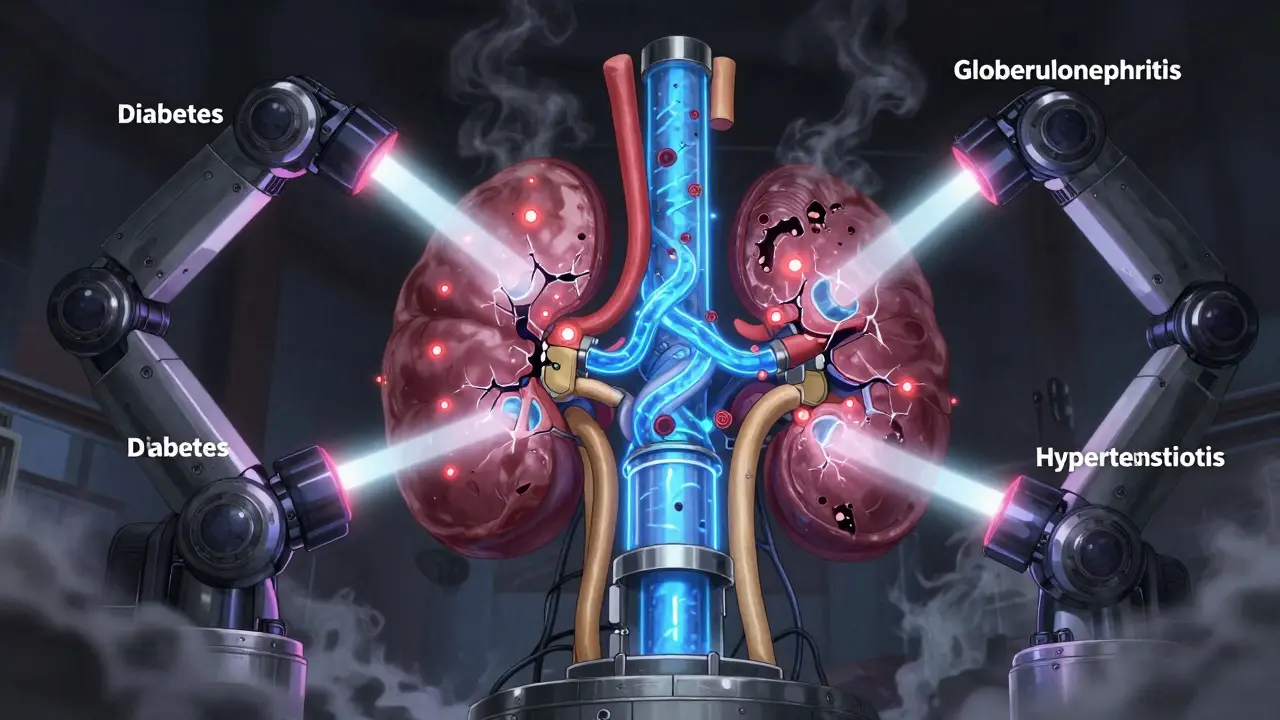
Kidney Failure Causes: How Diabetes, Hypertension, and Glomerulonephritis Damage Your Kidneys
Diabetes, hypertension, and glomerulonephritis cause over 80% of kidney failure cases. Learn how each damages your kidneys, how fast they progress, and what you can do today to protect your kidney function before it's too late.

Medication-Related Suicidal Thoughts: What to Watch For
Some medications can trigger sudden suicidal thoughts - even in people who’ve never had them before. Learn the key warning signs, who’s most at risk, and what to do if you or someone you care about starts feeling this way.

Cirrhosis: Understanding Liver Scarring, Failure Risk, and Transplantation
Cirrhosis is advanced liver scarring that can lead to liver failure and the need for transplantation. Learn the causes, symptoms, staging, and why early action matters-before it's too late.
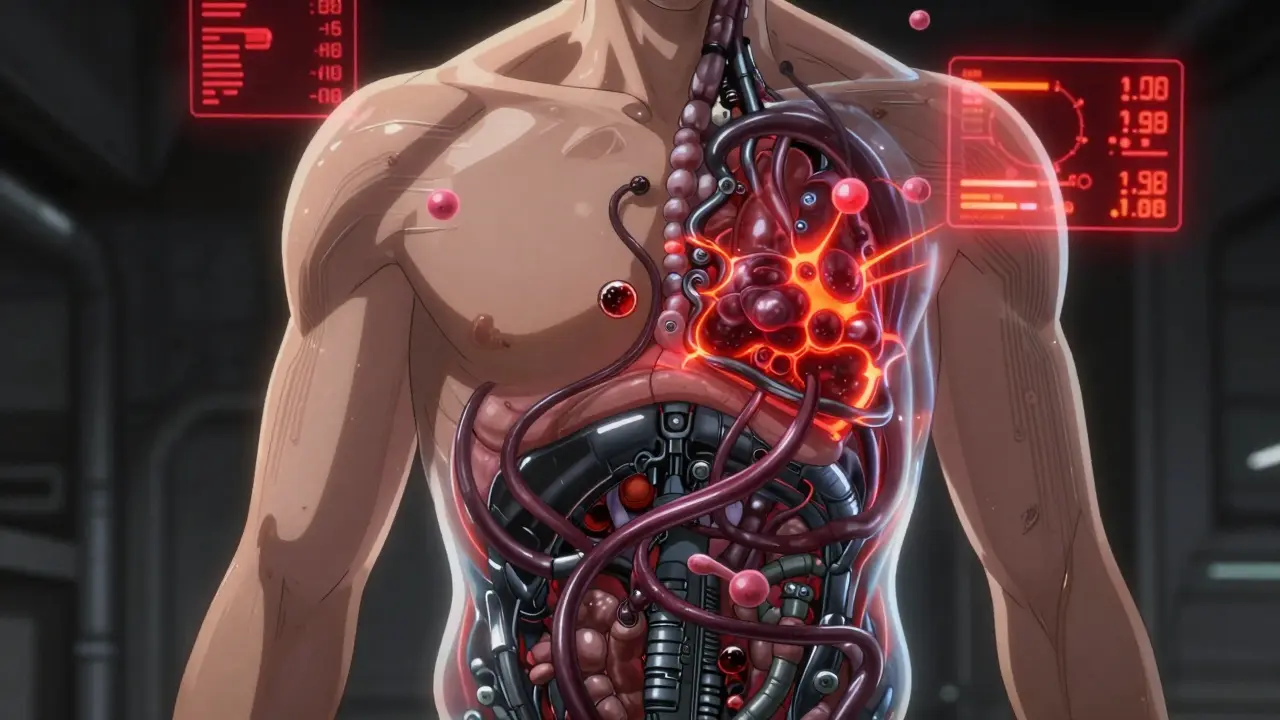
Metabolic Syndrome: Understanding Abdominal Obesity, Blood Pressure, and Lipid Risks
Metabolic syndrome is a cluster of conditions - abdominal obesity, high blood pressure, and abnormal lipids - that raise your risk of heart disease and diabetes. Learn how to spot it, why it happens, and how to reverse it with lifestyle changes.

Alcohol Withdrawal and Liver Health: Safe Detox Strategies
Alcohol withdrawal can severely stress your liver-even after you stop drinking. Learn the science behind safe detox, what to avoid, how your liver heals, and why medical supervision isn't optional.

Chronic Tension Headaches: Triggers, Prevention, and Evidence-Based Treatments
Chronic tension headaches affect millions with daily pressure-like pain. Learn the real triggers-beyond stress-evidence-based treatments like amitriptyline and CBT, and how to avoid medication overuse traps.

Acne: Types, Causes, and Topical vs. Oral Treatments
Acne affects millions worldwide and comes in many forms-from blackheads to cysts. Learn the real causes, how to identify your type, and what topical and oral treatments actually work based on current medical evidence.

Hip Labral Tears in Athletes: Diagnosis, Imaging, and Arthroscopy Recovery
Hip labral tears are a leading cause of hip pain in athletes, often linked to FAI or hip dysplasia. Diagnosis relies on MRA imaging and arthroscopy. Treatment ranges from physical therapy to surgical repair, with recovery taking 3-6 months. Early intervention prevents long-term joint damage.

Obesity Pathophysiology: How Appetite and Metabolism Go Wrong
Obesity isn't about willpower - it's a biological malfunction. This article explains how appetite regulation and metabolic dysfunction drive weight gain, from leptin resistance to brain signaling errors, and why new treatments are changing the game.