Category: Medications - Page 2
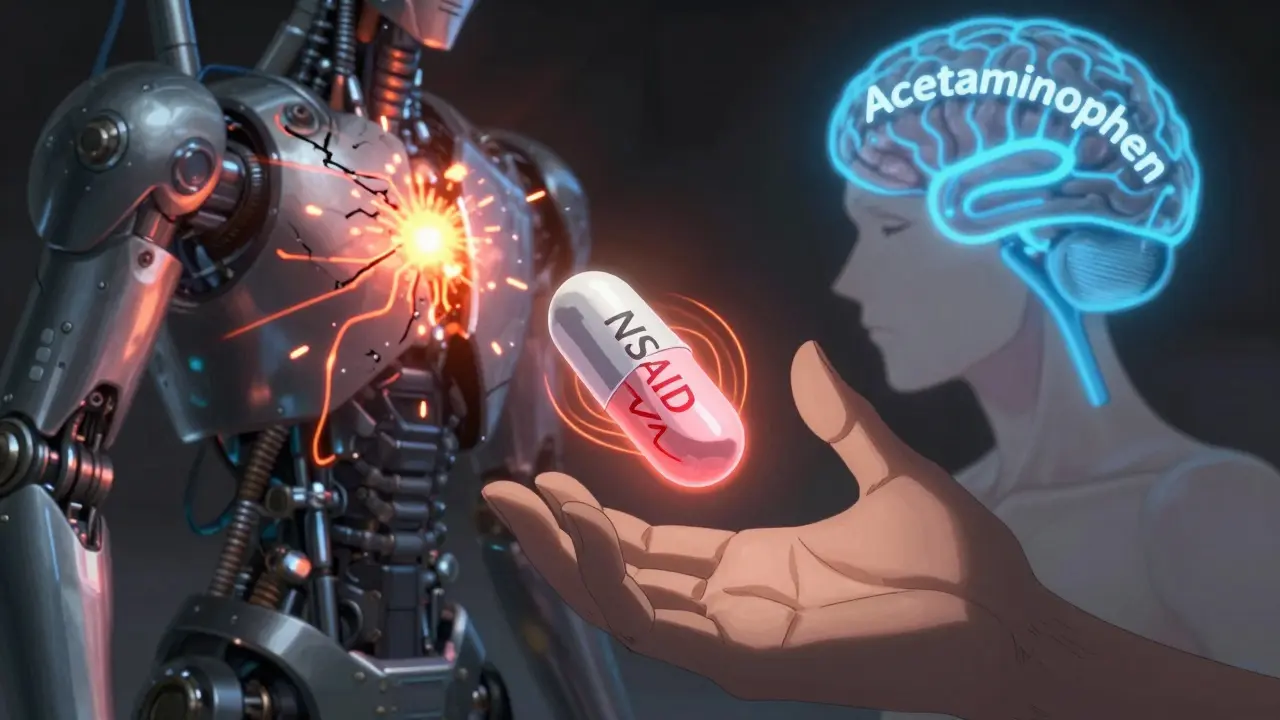
NSAIDs vs. Acetaminophen: Which Pain Reliever Is Right for You?
NSAIDs and acetaminophen are the two most common pain relievers, but they work differently and carry unique risks. Learn which one to choose for headaches, arthritis, back pain, and more-and how to use them safely.

Counterfeit generics: how to protect yourself from fake medications
Counterfeit generics are fake medications that look real but contain dangerous or inactive ingredients. Learn how to spot them, where they come from, and how to protect yourself from deadly fakes like fake Ozempic.

Restless Legs and Akathisia from Medications: How to Tell Them Apart and What to Do
Akathisia and restless legs syndrome both cause intense restlessness, but only one is caused by medication-and mistaking them can lead to dangerous treatment errors. Learn how to tell them apart and what to do next.

How to Navigate Pharmacy Substitution Laws in Your State
Pharmacy substitution laws vary by state, affecting whether you get generic or brand-name drugs. Learn how to check your state’s rules, understand biosimilar swaps, and protect your health when medications change.

Medication Therapy Management: How Pharmacists Optimize Generic Drugs for Better Outcomes
Pharmacists play a critical role in medication therapy management by optimizing generic drug use to improve adherence, reduce costs, and prevent adverse effects. Learn how MTM works and why it's changing patient outcomes.

Rationing Medications: How Ethical Decisions Are Made During Drug Shortages
When drug shortages hit, hospitals must make painful choices about who gets life-saving medication. This article explains the ethical frameworks guiding those decisions, how they're failing in practice, and what’s being done to fix them.

Real-World Evidence Sources for Drug Safety: Registries and Claims Data
Registries and claims data are the backbone of modern drug safety monitoring. These real-world evidence sources help regulators detect rare side effects, track long-term outcomes, and make informed decisions after drugs hit the market.

Common Medications Causing Sexual Side Effects: A Complete Guide
This guide explains which common medications cause sexual side effects, including antidepressants and blood pressure drugs, and how to manage them effectively with medical advice.
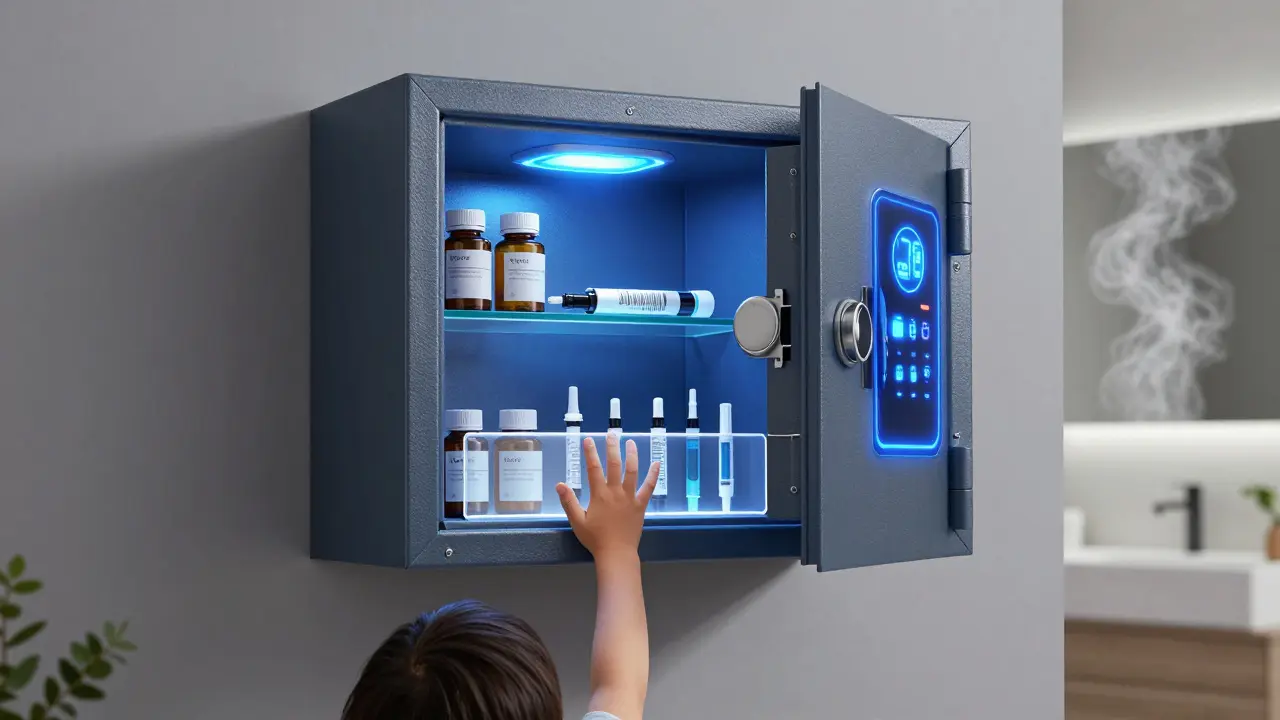
Medication Storage and Authenticity: How to Protect Your Home Supply from Counterfeits and Accidental Poisoning
Learn how to safely store medications at home to prevent accidental poisonings, stop counterfeit drugs from being used, and ensure your pills stay effective. Simple steps can protect your family and your health.
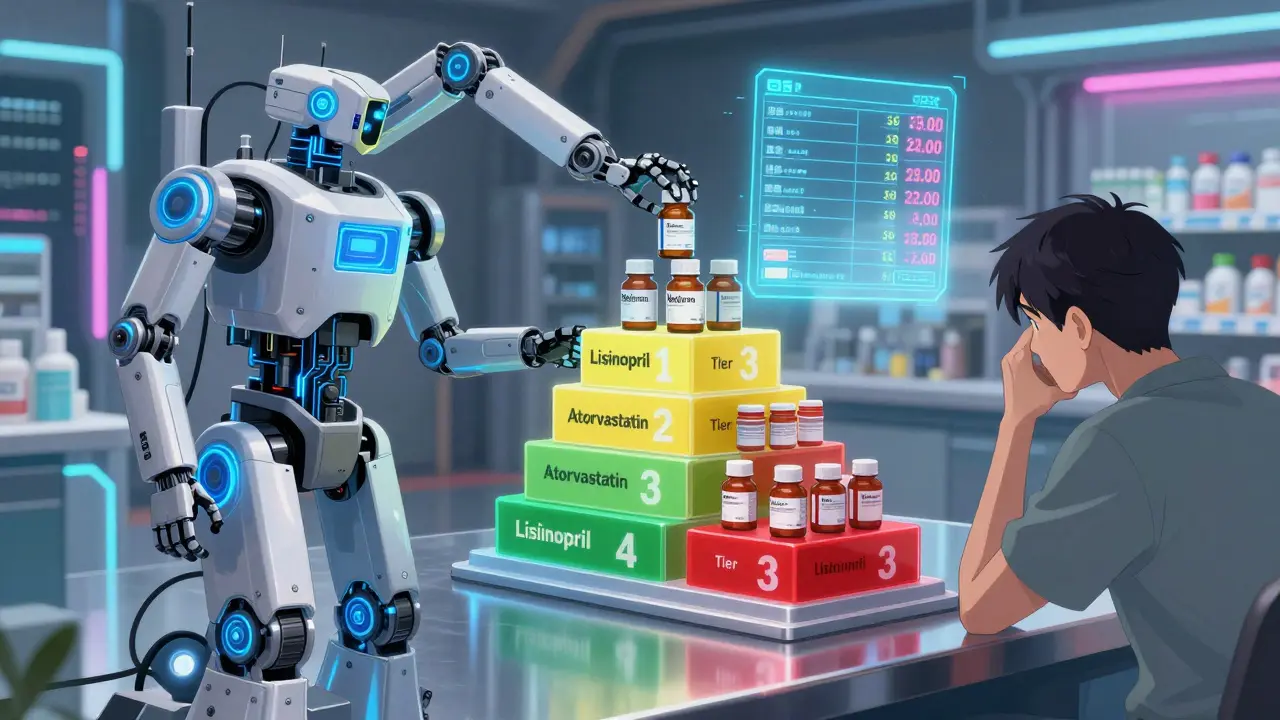
Switching Health Plans? How to Evaluate Generic Drug Coverage to Save Money
Switching health plans? Generic drug coverage can save you hundreds - or cost you thousands. Learn how formulary tiers, pharmacy networks, and state rules impact your out-of-pocket costs for everyday medications.