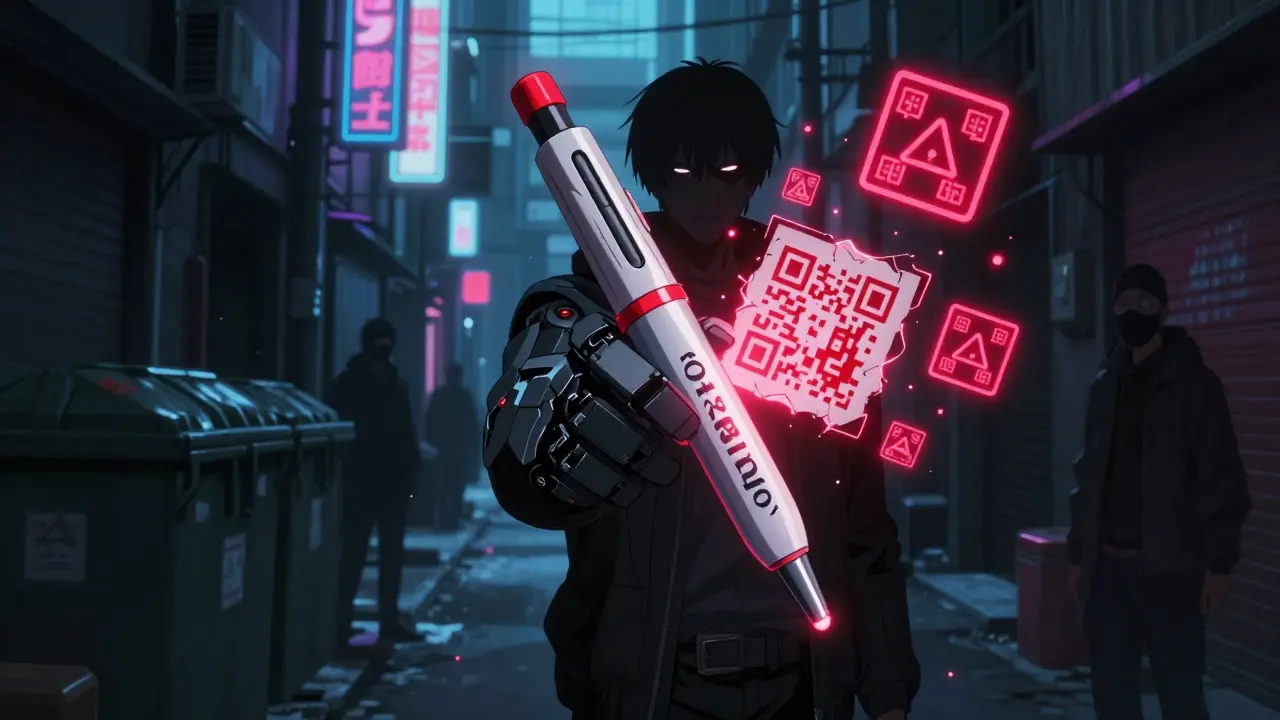
Buying a generic medication should mean getting the same effective drug at a lower price - not risking your life. Every year, millions of people around the world unknowingly take fake versions of common drugs like Ozempic, antibiotics, or erectile dysfunction pills. These aren’t just poor-quality copies. They’re dangerous. Some contain no active ingredient at all. Others have toxic chemicals like rat poison, paint thinner, or chalk. And they’re easier to find than you think.
What exactly are counterfeit generics?
Generic medications are legally produced copies of brand-name drugs. They must meet strict standards: same active ingredient, same dosage, same effect. The FDA and EMA require them to be bioequivalent - meaning they work in your body just like the original. Counterfeit generics? They break every rule. These fakes enter the supply chain through illegal channels. They’re made in unlicensed labs, often in Asia or Eastern Europe, with no oversight. No safety testing. No quality control. The goal isn’t to help you - it’s to make money fast. Criminals copy the packaging perfectly, even printing fake barcodes and holograms. But inside? You might get sugar, flour, or worse. According to the Pharmaceutical Security Institute, over 6,400 cases of counterfeit drugs were found in 2024 across 136 countries. That’s a 38% jump since 2020. Interpol’s 2025 operation seized over 50 million fake doses. And it’s not just happening overseas. In the U.S., customs intercepted 2,465 shipments of semaglutide and tirzepatide between September 2023 and January 2025. Nearly 200 of them were allowed in illegally.How do fake drugs get to you?
Most people don’t realize how easy it is to buy counterfeit meds online. A simple Google search for “cheap Ozempic” leads to websites that look real - complete with logos, testimonials, and fake Canadian or U.S. pharmacy badges. But 89% of these online pharmacies don’t even require a prescription, according to the WHO. And 50% of them hide their physical address completely. Some fakes slip into legitimate pharmacies. In August 2025, an Iowa pharmacy was fined $25,000 for selling fake Ozempic. How? The supplier forged documents. The pharmacy didn’t check. This isn’t rare. In Nigeria, counterfeit malaria drugs caused liver damage. In South Africa, police seized R2.2 million worth of fake insulin and antibiotics. Reddit threads from users like “MedSafety42” describe months of no weight loss or blood sugar improvement - all because their “Ozempic” had no active ingredient. The biggest risk? You think you’re getting treatment. You’re not. You’re just getting a placebo - or poison.What drugs are most often faked?
Counterfeiters don’t go after random pills. They target high-demand, high-price medications where people are desperate to save money. The most common targets:- Weight-loss drugs: Ozempic, Wegovy, Mounjaro - these are among the most counterfeited in 2025. Demand exploded, and criminals rushed to fill it.
- Erectile dysfunction pills: Viagra, Cialis. People buy these online to avoid embarrassment. Fakes are everywhere.
- Antibiotics: Especially in Africa and Southeast Asia. Substandard versions contribute to antimicrobial resistance - a global threat that could cause 10 million deaths by 2050.
- Chronic disease meds: Insulin, blood pressure pills, cancer drugs like Yervoy and Opdivo. These fakes are deadly. One batch of fake insulin in Colombia led to multiple hospitalizations.
- Lifestyle drugs: Hormones, steroids, anorectics. These are often sold without prescriptions, making them prime targets for criminals.
How to spot a fake medication
You can’t always tell by looking. Some fakes are nearly perfect. But there are clues:- Check the packaging: Look for misspelled words, blurry logos, mismatched fonts, or inconsistent colors. Authentic packaging is precise. Fakes often have tiny errors.
- Examine the pill: Does it look different? Wrong color? Odd shape? Smell weird? Authentic generics have consistent appearance. If it doesn’t match the description on the manufacturer’s site, be suspicious.
- Verify the NDC number: Every U.S. drug has a National Drug Code. Enter it into the FDA’s database. If it doesn’t match, it’s fake.
- Look for the VIPPS seal: Only buy from pharmacies with the Verified Internet Pharmacy Practice Sites seal. That means they’re licensed and audited.
- Use manufacturer tools: Novo Nordisk’s “Verify Your Pen” system lets you scan your Ozempic pen. In Q3 2025, 2.1 million scans were done - 1.8% were flagged as fake.
- Check the price: If it’s 50% cheaper than a legitimate pharmacy, it’s likely fake. Legitimate generics cost 80-85% less than brand names. Anything below that is a red flag.
One user on Trustpilot wrote: “The box looked identical. But after three weeks, nothing happened. I tested it - no active ingredient.” That’s the norm.
How to buy safely
Your safest option? Stick to local, licensed pharmacies. If you need to order online:- Only use pharmacies with the VIPPS seal.
- Verify they have a physical address and phone number you can call.
- Require a valid prescription. No exceptions.
- Check the manufacturer’s website for authorized distributors.
- Use apps like TrueMed - rated 4.7/5 on Google Play - to scan barcodes and verify authenticity.
If you’re in the UK, only buy from pharmacies registered with the General Pharmaceutical Council (GPhC). You can check their online register. Never buy from social media ads, WhatsApp sellers, or “pharmacies” with no license number.
What to do if you think you’ve been sold a fake
If you suspect your medication is fake:- Stop taking it immediately.
- Save the packaging, receipt, and any remaining pills.
- Report it to your country’s health authority:
- In the U.S.: FDA’s MedWatch program
- In the UK: Yellow Card Scheme
- In Canada: Health Canada’s Vigilance Program
- In Australia: TGA’s Adverse Medicine Events line
- Contact the manufacturer. Pfizer, Novo Nordisk, and others have anti-counterfeiting hotlines.
Don’t wait. Reporting fake drugs helps stop the supply chain. In 2024, the International Medical Products Anti-Counterfeiting Taskforce (IMPACT) processed over 12,000 consumer reports. Each one matters.
Why this matters beyond your own health
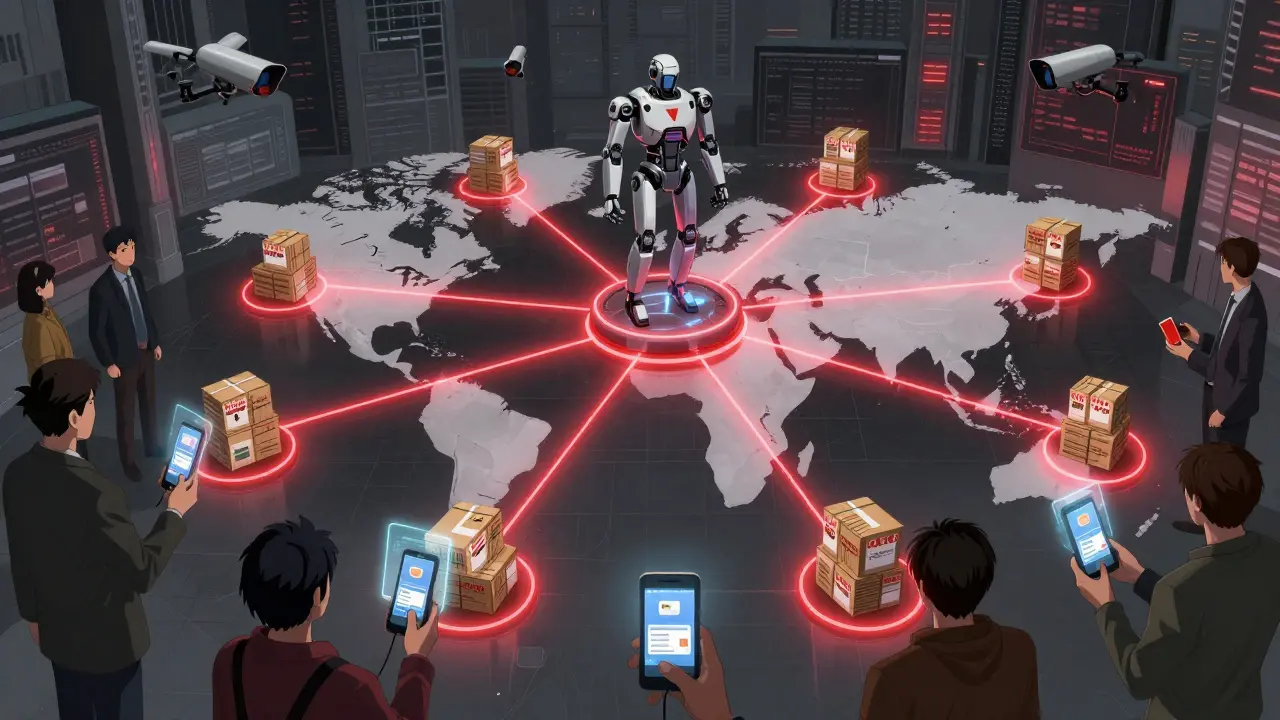
Counterfeit drugs aren’t just a personal risk - they’re a public health crisis. Substandard antibiotics lead to drug-resistant infections. Fake insulin causes diabetic emergencies. Fake cancer drugs delay real treatment. The WHO estimates that 1 in 10 medicines in low- and middle-income countries are falsified. That’s 100 million people at risk. The economic cost? Over $30 billion a year globally. Taxpayers pay for hospitalizations, investigations, and enforcement. Criminal networks use these profits to fund other crimes - human trafficking, weapons smuggling, even terrorism. And the threat is growing. AI is now being used to generate fake packaging that even experts can’t easily spot. Criminals are using deepfake websites, fake reviews, and AI chatbots to mimic legitimate pharmacies.What’s being done - and what’s still missing
Some progress is happening. The EU requires safety features on all prescription drug packaging since 2019. India now mandates QR codes on drug containers. Blockchain systems have reduced counterfeiting by 22% in pilot programs. Pfizer has trained authorities in 164 countries to spot fakes - preventing over 300 million doses from reaching patients. But gaps remain. Only 32% of pharmacies in low-income countries have access to verification tools. Many people still buy from unlicensed sellers because they can’t afford real meds. And regulators are overwhelmed. The FDA has limited resources to inspect thousands of foreign shipments each year. The bottom line? You can’t rely on systems alone. You have to protect yourself.Final checklist: 5 steps to stay safe
- 1. Buy only from licensed pharmacies - local or VIPPS-certified.
- 2. Never buy without a prescription - even if the site says you don’t need one.
- 3. Check packaging - spelling, color, texture, seals.
- 4. Use verification tools - manufacturer apps, barcode scanners.
- 5. Report anything suspicious - your report could save a life.
If you’re taking a generic medication - especially for diabetes, weight loss, or heart conditions - don’t assume it’s safe. Verify. Question. Protect. Your life depends on it.
How can I tell if my Ozempic is fake?
Check the packaging for spelling errors or mismatched logos. Use Novo Nordisk’s official "Verify Your Pen" app - scan the QR code on the pen. If the app flags it as suspicious, stop using it. Also, compare the pill appearance to images on the manufacturer’s site. If your pen looks identical to a photo online but doesn’t work, it’s likely fake.
Are all online pharmacies dangerous?
No - but most are. Only pharmacies with the VIPPS seal (in the U.S.) or that are registered with your country’s pharmacy board are safe. Over 89% of online pharmacies that hide their physical address sell fake drugs. If a site doesn’t require a prescription or offers prices that seem too good to be true, it’s a red flag.
Can counterfeit drugs cause long-term damage?
Yes. Fake antibiotics can lead to drug-resistant infections. Fake insulin can cause permanent organ damage. Fake cancer drugs can delay treatment and reduce survival chances. In Nigeria, counterfeit malaria pills caused liver failure. Even if you don’t feel sick right away, long-term exposure to unknown chemicals can harm your kidneys, liver, or nervous system.
Why are generics more often counterfeited than brand-name drugs?
Because they’re cheaper and less monitored. Brand-name drugs have stronger security features and more resources to fight counterfeiting. Generics are often produced by smaller manufacturers with less oversight. Criminals know people buy generics to save money - so they target those markets. The lower price makes it easier to sell fakes without raising suspicion.
What should I do if I bought fake medication?
Stop taking it immediately. Contact your doctor to discuss symptoms or treatment changes. Report the product to your national health authority - like the FDA in the U.S. or the Yellow Card Scheme in the UK. Save the packaging and any receipts. If you bought it online, report the website to Interpol’s anti-counterfeiting unit. Your report helps shut down criminal operations.