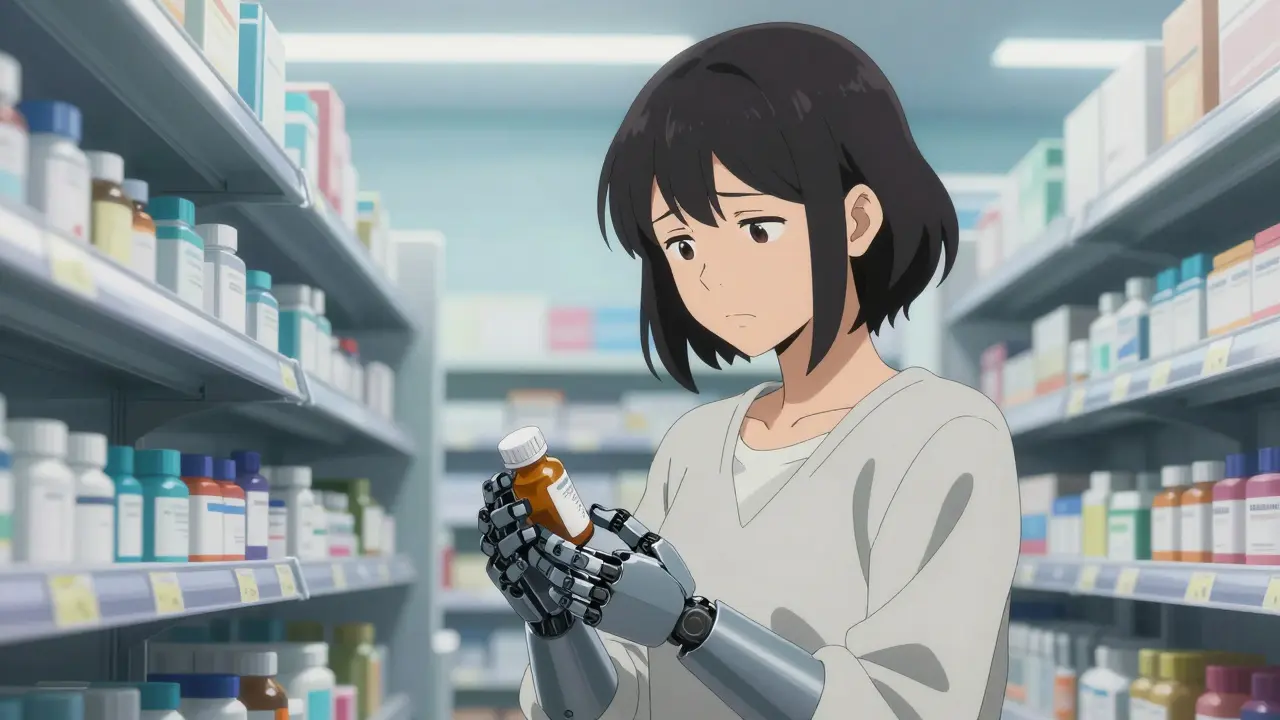
When Words Fail, Safety Matters
Imagine picking up a prescription for your child, only to realize the instructions are in a language you barely understand. You nod at the pharmacist, take the bottle, and hope for the best. This scenario plays out far too often. Language Barriers are not just an inconvenience in healthcare; they are a serious threat to patient well-being and proper treatment outcomes. Research shows that about half of adults with Limited English Proficiency face at least one language barrier in a healthcare setting within three years. When communication breaks down, the risk of medication errors skyrockets.
For families navigating the healthcare system, understanding these risks is the first step toward protection. You have the right to understand your treatment. You have the right to know what you are taking. This guide breaks down the dangers of language gaps in medical settings and gives you concrete steps to get the help you deserve.
Quick Summary: Key Takeaways
- Medication Safety is compromised when patients cannot understand dosage or side effects due to language gaps.
- Professional interpreters reduce medical errors by up to 50% compared to family members.
- Legal rights exist to demand language assistance in many healthcare systems.
- Technology like video remote interpretation and translated labels can bridge the gap.
- Always use the "teach-back" method to confirm you understand your medication instructions.
The Hidden Dangers of Miscommunication
It is easy to assume that a simple misunderstanding about a pill schedule is a minor issue. The data tells a different story. A 2022 study from the Children's Hospital of Philadelphia published in Pediatrics found that adverse drug events occur at twice the rate for children in families with Limited English Proficiency compared to English-proficient families. The rates were 17.7% versus 9.6%. This is not just about confusion; it is about physical harm.
Dr. Glenn Flores, a leading researcher in this field, noted that language barriers lead to detectable physical harm in nearly half of affected patients. When you cannot ask the right questions, you cannot get the right answers. You might not know if a medication interacts with your current diet. You might not realize a side effect is serious enough to call the doctor. These gaps create a dangerous environment where mistakes slip through the cracks.
Consider the financial impact too. A 2017 analysis by Quality Health looked at over 7,000 cases and found that communication failures cost billions in losses from patient harm. While the money matters, the human cost is higher. Preventing these errors requires active effort from both the healthcare system and the patient.
Why Family Members Are Not Enough
Many patients turn to their children or relatives to translate medical information. It feels natural to ask your teenage daughter to explain what the doctor said. However, relying on family members is risky. Studies cited in NCBI StatPearls indicate that up to 25% of interpretation from untrained personnel is incorrect. Family members lack the medical vocabulary to explain complex dosage instructions accurately.
There is also an emotional component. A child translating for a parent puts an unfair burden on them. They might feel too shy to ask clarifying questions or might accidentally leave out bad news to protect their parent. A professional interpreter is trained to be neutral and precise. They know the difference between "take with food" and "take on an empty stomach." They understand the nuances of medical terms that a layperson would miss.
Comparison of Interpretation Methods
| Method | Error Rate | Privacy Level | Cost to Patient |
|---|---|---|---|
| Professional Interpreter | Low (Up to 50% reduction in errors) | High (Bound by confidentiality) | Covered by insurance/hospital |
| Family Member | High (Up to 25% incorrect translation) | Low (Personal relationship) | Free |
| Phone/Video Remote | Low (Comparable to in-person) | High (Professional standard) | Variable ($3.50-$6.00/min) |
Tools and Technology That Help
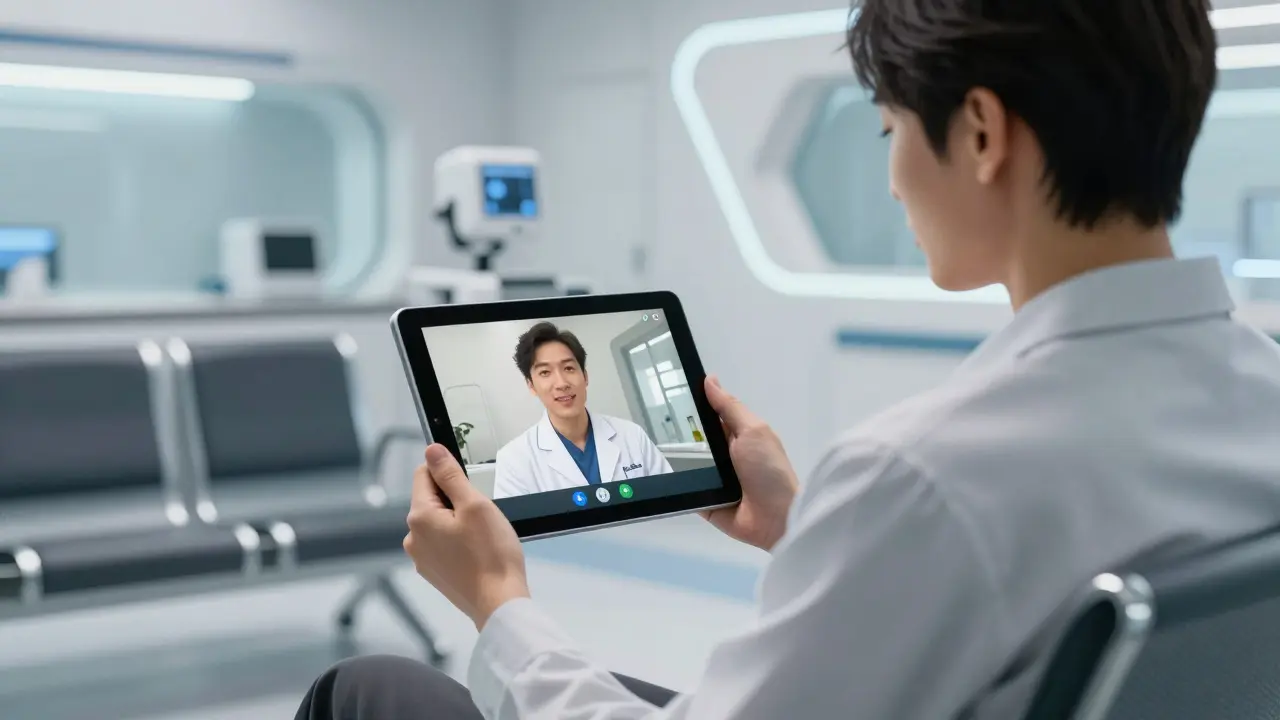
Technology has changed how we access language services. In the past, you might have had to wait for an in-person interpreter to arrive. Now, video remote interpretation is common. This allows you to see the interpreter's face and gestures, which helps with complex explanations. The National Council on Interpreting in Health Care reports that video remote interpretation averages $4.00 to $6.00 per minute, but many hospitals cover this cost.
Written materials are also crucial. Prescription labels should match your language. Yet, a study in the Bronx found that 31% of pharmacies could not provide Spanish labels despite serving a large Spanish-speaking population. If your pharmacy cannot print labels in your language, ask for a translated information packet. Some pharmacies use software to translate terms, but be careful. Computer translation sometimes fails with specific medical terms like "dropperful" or "for thirty days." Always verify the translation with a human if possible.
Electronic Health Records (EHR) are becoming smarter. Modern systems like Epic and Cerner now include language preference modules. This means your language choice is saved in your file, so every doctor you see knows to request an interpreter. If you are setting up a new patient portal, ensure your language preference is marked there too. A 2022 survey found that 72% of Spanish-speaking respondents believed stronger relationships with providers would develop through bilingual online portals.
Understanding Your Rights
You might not know this, but in many places, you have legal rights to language assistance. In the United States, Title VI of the Civil Rights Act of 1964 mandates language assistance for patients with Limited English Proficiency in organizations receiving federal funds. This means hospitals and clinics cannot deny you care or charge you extra for an interpreter. Penalties for violations can reach $100,000 per incident.
Even outside of strict legal mandates, healthcare accreditation standards often require language access. The Joint Commission, which accredits healthcare organizations, has standards for universal language identification. This means they should ask your language preference at every visit. If a hospital does not offer access to online language services, they may be falling behind industry standards. A 2023 study showed 29% of hospitals still don't offer digital language services, which is a gap you need to be aware of.
If you feel you are being denied service because of your language, document the interaction. Ask for the patient advocate or compliance officer. Knowing your rights empowers you to demand the care you need without fear.
Step-by-Step Guide to Getting Help
Knowing the risks is one thing; taking action is another. Here is how you can ensure your medication safety when language is a barrier.
- Identify Your Language Needs Early: When you call to make an appointment, state clearly that you need an interpreter. Do not wait until you are in the room.
- Request a Professional Interpreter: Ask specifically for a trained medical interpreter. Avoid asking the receptionist to find a bilingual staff member if a professional service is available.
- Check Your Prescription Label: Before leaving the pharmacy, ask if the label can be printed in your language. If not, ask for a translated handout.
- Use the Teach-Back Method: Ask the doctor or pharmacist to explain the instructions, then repeat them back in your own words. This confirms understanding for both parties.
- Utilize Directly Observed Dosing: For high-risk medications, ask if a nurse can watch you take the first dose to ensure you are doing it correctly. Studies show this enhances safety significantly.
- Save Contact Information: Keep the phone number for the hospital's interpretation service. If you have questions at home, you can call back for clarification.
These steps might seem like extra work, but they are essential for your safety. Taking a few extra minutes to confirm instructions can prevent a hospital visit later.
Overcoming Common Challenges
Even with the best intentions, challenges arise. Staff might be resistant to "slowing down" appointments for interpretation. A survey reported that 45% of hospitals cite this as a barrier. To overcome this, request a longer appointment slot when booking. Explain that accurate communication is necessary for your health.
Another issue is the availability of interpreters for less common languages. While major languages like Spanish or Mandarin are well-supported, rare languages might require a wait. In these cases, video remote interpretation is often the fastest solution. If the system fails, ask for a written summary of the plan that you can take to a community organization for translation.
Remember, you are not a burden. You are a partner in your care. The Agency for Healthcare Research and Quality emphasizes that implementing universal language identification is a foundational step for safety. By advocating for yourself, you help improve the system for everyone.
What Happens When Things Go Wrong?
If you experience a medication error due to a language barrier, it is vital to report it. Patient Safety Networks track these incidents to improve systems. In one documented case, a Spanish-speaking mother received incorrect insulin dosing instructions because a pharmacy relied on Google Translate. This led to hospitalization. Reporting such incidents helps prevent them from happening to others.
Keep records of all medication interactions. If you feel confused, write down your questions before the appointment. Bring a trusted friend who can take notes, even if they are not translating. This creates a safety net. If you notice a pattern of errors, consider switching to a provider who offers better language support. Your health is too important to compromise.
Do I have to pay for an interpreter?
In many healthcare systems, especially those receiving federal funding, professional interpreters are provided at no cost to the patient. You should not be charged for language assistance services required for your care.
Can I use my child as an interpreter?
It is not recommended. Children may lack the medical vocabulary needed for accurate translation, and it places an emotional burden on them. Professional interpreters are trained to handle medical terminology correctly.
What is the teach-back method?
The teach-back method involves repeating the instructions back to the provider in your own words. This ensures that you have understood the information correctly before leaving the appointment.
Are there apps that help with medication translation?
Yes, there are translation apps, but they should not be the only source of information. Medical terms can be complex, and apps may mistranslate critical dosage instructions. Always verify with a human professional.
What if my pharmacy cannot print labels in my language?
Ask for a translated information packet or use a professional interpreter to explain the label. You can also request that the pharmacy note your language preference in their system for future visits.
Looking Ahead
The landscape of healthcare communication is evolving. With the U.S. Census Bureau projecting that 25% of the population will speak a language other than English at home by 2030, the demand for language access will only grow. New initiatives, such as AI-powered translation tools for medication instructions, are in development. However, technology cannot replace the human connection entirely.
Until systems are perfect, you must remain vigilant. Your health depends on clear communication. By knowing your rights and using the right tools, you can navigate the healthcare system safely. Remember, asking for help is a sign of strength, not weakness. Your safety is the priority, and you deserve to understand every aspect of your treatment.