Does your skin break out in a red, itchy rash every time you wear new jewelry or use a scented lotion? You might not just have sensitive skin-you could be dealing with allergic contact dermatitis, a condition triggered by specific substances touching your skin. For years, many people suffer through these reactions without knowing the exact cause. The good news is that there is a reliable way to find out what’s hurting your skin: patch testing. This diagnostic procedure is considered the gold standard for identifying the specific allergens behind chronic skin inflammation.
If you’ve been told to "just avoid irritants" but still struggle with recurring rashes, patch testing offers clarity. It helps pinpoint exactly which metals or fragrance ingredients are causing your body’s immune system to react. In this guide, we’ll walk you through how patch testing works, why it matters for metals and fragrances, and what you can expect during the process.
What Is Patch Testing and Why Is It the Gold Standard?
Patch testing is a specialized medical test used to diagnose delayed-type hypersensitivity reactions. Unlike immediate allergies (like pollen or peanuts) that strike within minutes, contact allergies take time-usually 48 to 96 hours-to show up on your skin. This delay makes them tricky to identify based on symptoms alone.
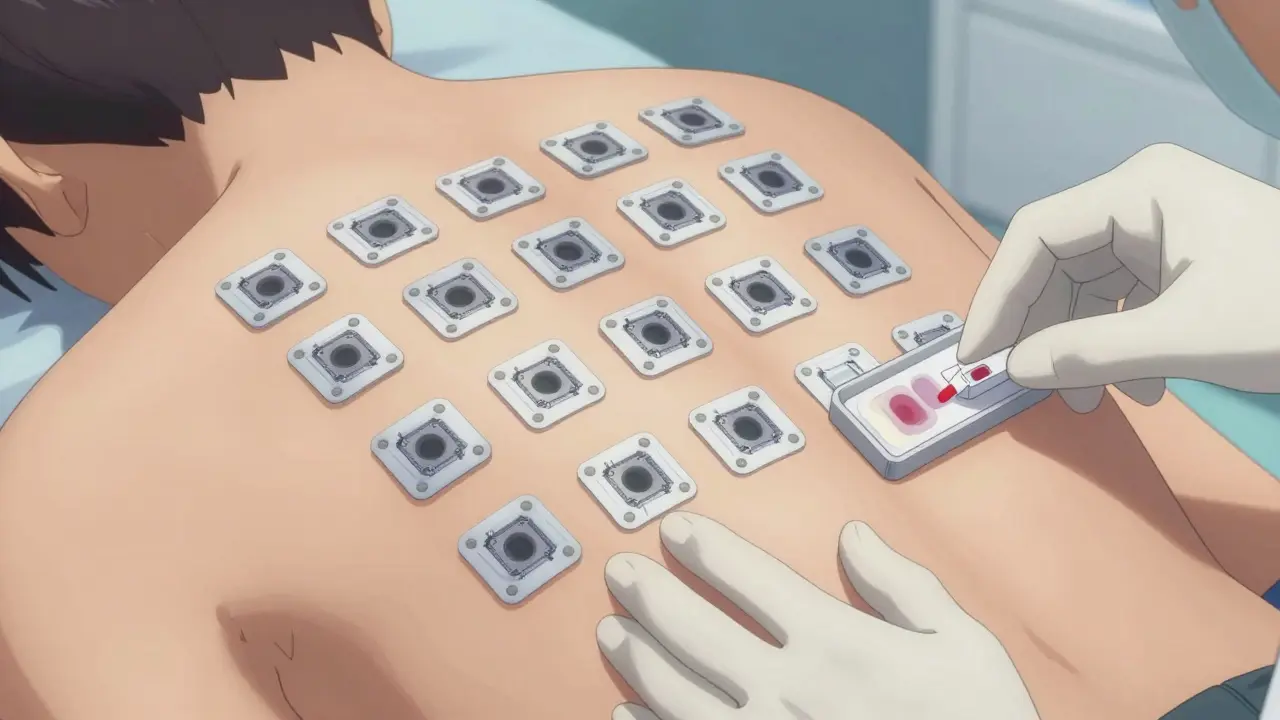
The test involves applying small amounts of potential allergens to your back using special adhesive patches. These stay on your skin for two days while you go about your normal life (with some restrictions). After removal, a dermatologist examines the sites at specific intervals to see if any reactions have developed.
Why is this method so trusted? According to a 2022 meta-analysis published in the journal Contact Dermatitis, patch testing boasts a specificity of 95-98%. This means it rarely gives false positives when performed correctly. Compared to other methods like blood tests, which have lower sensitivity rates (60-70%), patch testing provides actionable data that directly leads to symptom relief. Studies from the American Contact Dermatitis Society (ACDS) show that 60-80% of patients achieve complete clearance of their dermatitis once they successfully avoid their identified triggers.
Common Culprits: Metals That Trigger Skin Reactions
Metal allergies are among the most common causes of contact dermatitis. While many people think of nickel as the primary offender, cobalt and chromium also play significant roles.
- Nickel: Found in jewelry, belt buckles, zippers, and even coins. Nickel sulfate is tested at a concentration of 5% in petrolatum during standard panels. About 18.5% of patients undergoing patch testing in North America react positively to nickel.
- Cobalt: Often found alongside nickel in alloys, but also present in ceramics, paints, and certain hair dyes. Cobalt chloride is typically tested at 1% concentration.
- Chromium: Commonly encountered in leather goods (due to tanning processes), cement, and rubber products. Potassium dichromate is used at 0.5% concentration for testing. >
These metals don’t always cause an instant reaction. Instead, they sensitize your immune system over time. Once sensitized, even minimal exposure can trigger intense itching, redness, and blistering. Identifying which metal is responsible allows you to make targeted lifestyle changes, such as switching to surgical steel or titanium jewelry.
Fragrance Allergies: The Hidden Irritants in Daily Products
Fragrance is one of the leading causes of allergic contact dermatitis, accounting for 8-15% of cases in general dermatology clinics according to European Society of Contact Dermatitis data from 2022. What makes fragrance allergies particularly challenging is that "fragrance" is often listed as a single ingredient on product labels, hiding dozens of individual chemical compounds.
To accurately diagnose fragrance allergies, dermatologists use both Fragrance Mix I and FM II, along with individual fragrance chemicals. Testing only with the mixes misses approximately 10% of fragrance allergy cases, as demonstrated in a 2021 study by Goossens et al. published in Dermatology Practical & Conceptual.
Key fragrance markers include:
- Balsam of Peru (Myroxylon pereirae): A natural resin used in many cosmetics and foods.
- Cinnamic Aldehyde: Derived from cinnamon bark oil.
- Linalool and Limonene: Natural terpenes found in citrus and floral scents.
- Hydroxycitronellal and Lyral: Synthetic musks previously included in FM II but removed due to instability issues. >
The EU Cosmetics Regulation 1223/2009 requires manufacturers to label 26 specific fragrance allergens if they exceed certain concentrations (0.001% in leave-on products, 0.01% in rinse-off products). However, compliance varies globally, making patch testing essential for those who suspect hidden sensitizers.
How the Patch Test Procedure Works Step-by-Step
Understanding the process helps reduce anxiety and ensures accurate results. Here’s what typically happens during a comprehensive patch test evaluation:
- Initial Consultation: Your dermatologist reviews your medical history and identifies suspected allergens. They may ask you to fill out detailed forms documenting your daily product usage.
- Application Day: Small chambers containing standardized allergen solutions are taped onto your upper back using Scanpor tape (a hypoallergenic brand commonly used). You’ll usually receive around 80 antigens in the North American baseline series, plus additional fragrance components if needed.
- First Reading (48 Hours): Return to the clinic after keeping the patches dry and intact for two full days. The doctor removes the patches and checks for initial signs of irritation or allergic response.
- Second Reading (72-96 Hours): Most reactions develop fully within this window. Some clinics schedule a third reading at 168 hours (five days) to catch very late responders.
- Final Interpretation: Results are graded using the International Contact Dermatitis Research Group (ICDRG) scale:
- (−) No reaction
- (+) Doubtful
- (+) Weak positive
- (++) Strong positive
- (+++) Extreme reaction
This multi-day approach captures both immediate and delayed responses, ensuring no subtle clues are missed. Dr. Matthew Zirwas, Director of the Ohio Dermatology Association Patch Test Clinic, emphasizes that "patient history alone correctly identifies triggers in only 30-40% of cases," highlighting the necessity of formal testing.
Preparing for Your Patch Test: Tips for Success
Proper preparation significantly impacts result accuracy. Follow these guidelines before and during your test period:
- Avoid Water Exposure: Keep the test area completely dry for 48 hours. This means no swimming, heavy sweating, or showering directly over the patches. Many clinics restrict showering entirely until the first reading.
- Wear Loose Clothing: Choose loose-fitting cotton shirts to prevent friction against the patches. Avoid tight collars or straps that could dislodge them.
- Skip Strenuous Exercise: Sweat can interfere with adhesion and increase the risk of false negatives. Light walking is fine, but skip gym sessions involving cardio or weightlifting.
- Document Everything: Bring a list of all personal care products, medications, and occupational exposures. Completing the Contact Dermatitis Evaluation Form thoroughly helps your specialist interpret complex patterns.
- Stay Calm: Mild itching under the patches is normal. Resist the urge to scratch or remove them prematurely. Premature removal compromises up to 15% of tests, according to Cleveland Clinic patient experience reports.
Interpreting Results and Creating an Action Plan
Receiving your patch test results isn’t just about knowing what caused your rash-it’s about building a sustainable avoidance strategy. Around 78% of patients require at least one follow-up consultation to learn how to navigate everyday environments safely.
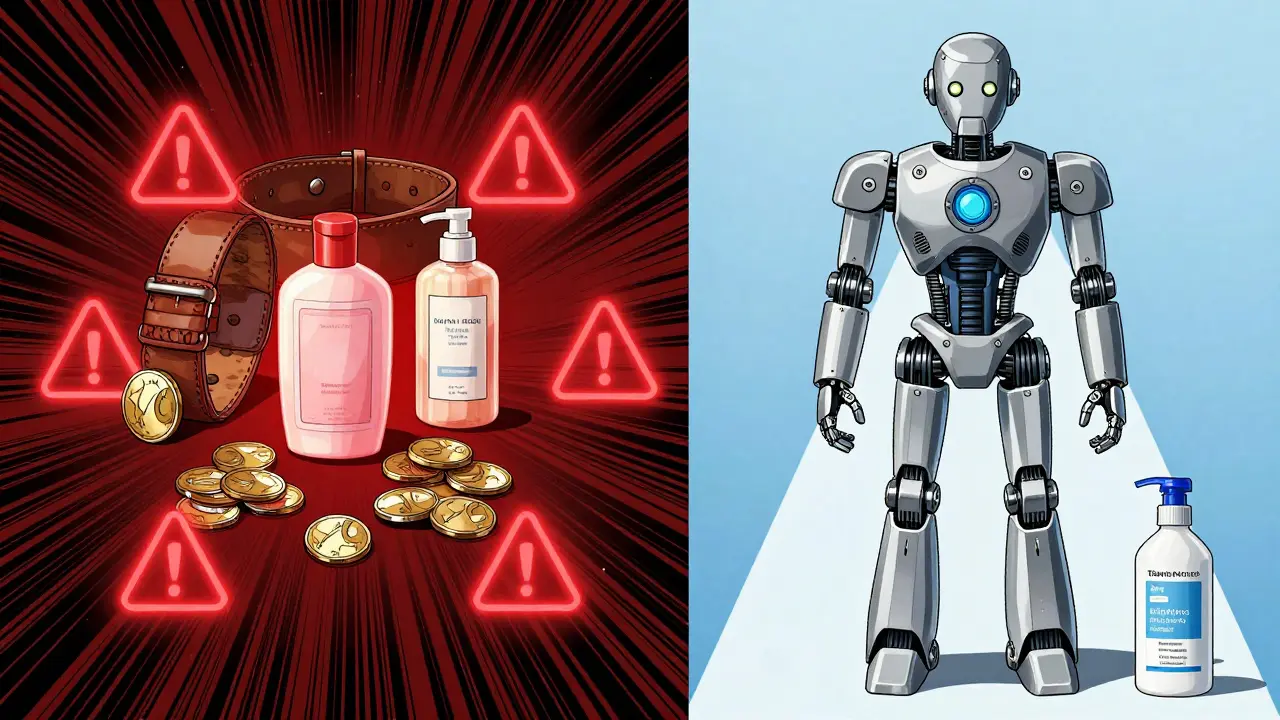
Your dermatologist will provide a personalized report listing confirmed allergens and suggesting alternatives. For example, if you’re allergic to nickel, they might recommend coating existing jewelry with clear nail polish or switching to platinum pieces. If fragrance is the issue, they’ll guide you toward truly unscented products rather than misleading "fragrance-free" labels, which sometimes contain hidden sensitizers.
Dr. An Goossens, Chair of the European Society of Contact Dermatitis, notes that "testing with both fragrance mixes and individual components is mandatory for accurate diagnosis." Skipping this step leaves gaps in your understanding, potentially allowing continued exposure to problematic ingredients.
| Method | Sensitivity | Specificity | Best Use Case |
|---|---|---|---|
| Patch Testing | 85-90% | 95-98% | Identifying chronic contact dermatitis triggers |
| Lymphocyte Transformation Test (LTT) | 60-70% | Variable | Research settings; limited clinical availability |
| Use Testing | Low | Unreliable | Not recommended due to poor standardization |
Frequently Asked Questions About Patch Testing
How long does patch testing take?
The entire process spans seven days with three clinic visits. Patches remain on your skin for 48 hours, followed by readings at 48, 72-96, and occasionally 168 hours. Total appointment time ranges from 15 to 45 minutes per visit.
Can I shower during patch testing?
No, you must keep the test site completely dry for 48 hours. Showering risks displacing patches or washing away allergens, leading to inaccurate results. Wipe your face carefully instead of splashing water near your neck.
Why do I need both Fragrance Mix I and II?
Testing solely with fragrance mixes misses roughly 10% of allergy cases. Combining FM I and FM II with individual chemical testing increases detection rates dramatically, ensuring comprehensive identification of problematic scent components.
Are patch tests painful?
Most patients describe mild discomfort rather than pain. Some experience slight itching beneath the patches, which is expected. Severe irritation suggests possible irritant reactions, not necessarily true allergies, requiring expert interpretation.
What happens if I accidentally remove the patches early?
Premature removal invalidates those specific test sites. Inform your dermatologist immediately-they may reapply remaining allergens or adjust subsequent readings accordingly. Always call your clinic before taking action.
Do insurance plans cover patch testing?
Coverage varies widely depending on provider and plan type. Many insurers recognize patch testing as medically necessary for persistent dermatitis unresponsive to treatment. Check with your insurer beforehand and request pre-authorization documentation from your dermatologist.
Can children undergo patch testing?
Yes, though protocols differ slightly for younger patients. Pediatricians often start with simplified panels focusing on household exposures. Cooperation levels influence success rates, so behavioral considerations matter greatly.
Is patch testing safe for pregnant women?
Generally yes, since topical application poses minimal systemic absorption risks. Discuss concerns openly with your obstetrician and dermatologist to ensure coordinated care throughout pregnancy.
How often should I repeat patch testing?
Repeat testing isn't routinely required unless new symptoms emerge or previous diagnoses seem incomplete. Annual check-ins help monitor adherence and address emerging allergen trends in consumer products.
Where can I find qualified specialists for patch testing?
Look for board-certified dermatologists affiliated with organizations like the American Contact Dermatitis Society (ACDS) or European Society of Contact Dermatitis. Academic centers frequently offer advanced testing capabilities beyond standard community practices.