
Ever wondered why a single bowl of kale can throw your blood tests off track? If you take Warfarin is a widely used oral anticoagulant that works by inhibiting the recycling of vitamin K, thereby reducing the production of clotting factors II, VII, IX, and X., you know that your diet isn't just about taste or nutrition-it's a critical part of your medication management. The goal isn't to avoid all green vegetables, but to keep your intake consistent. Sudden spikes or drops in Vitamin K is a fat-soluble vitamin essential for blood clotting, found primarily in leafy greens and animal products, existing as phylloquinone (K1) and menaquinones (K2). levels can cause your INR is International Normalized Ratio, a standardized measure of blood clotting time used to monitor anticoagulation therapy, with typical therapeutic ranges between 2.0 and 3.0. to fluctuate dangerously high or low.
This guide breaks down exactly how these two interact, which foods matter most, and how to build a routine that keeps your numbers stable without making every meal feel like a chemistry experiment. We’ll look at the science behind the interaction, practical food lists, and real-world strategies to help you maintain control.
How Warfarin and Vitamin K Interact
To manage your diet effectively, it helps to understand the mechanism. Warfarin blocks an enzyme called VKORC1. This enzyme is responsible for recycling vitamin K so your liver can produce the proteins needed for clotting. When you eat vitamin K-rich foods, they compete with the warfarin for this process. More vitamin K means more active clotting factors, which lowers your INR (making your blood thicker). Less vitamin K means fewer clotting factors, raising your INR (making your blood thinner).
The key takeaway here is consistency. Your body adapts to your average daily intake of vitamin K. If you usually eat 100 mcg per day, your warfarin dose is calibrated for that level. If you suddenly jump to 500 mcg one day and drop to 20 mcg the next, your INR will swing wildly. Studies show that patients who maintain their vitamin K intake within a 10-15% daily variation achieve significantly better time in therapeutic range (TTR) compared to those with erratic diets.
High, Medium, and Low Vitamin K Foods
Not all foods impact your INR equally. The American Heart Association categorizes foods based on their vitamin K content per serving. Knowing these categories helps you plan meals without fear. Here is a breakdown of common foods and their approximate vitamin K content:
| Food Item | Serving Size | Vitamin K Content (mcg) | Category |
|---|---|---|---|
| Spinach (cooked) | 1 cup | 889 | High |
| Kale (cooked) | 1 cup | 547 | High |
| Broccoli (cooked) | 1 cup | 220 | Medium-High |
| Cauliflower (cooked) | 1 cup | 102 | Medium |
| Iceberg Lettuce (raw) | 1 cup | 17 | Low |
| Apples | 1 medium | 4 | Very Low |
Foods with more than 60 mcg per serving are considered high-vitamin K. You don’t need to banish them from your plate; you just need to eat them consistently. For example, if you love broccoli, aim for roughly the same portion size every day. On the other hand, foods with less than 35 mcg, like apples or bananas, have minimal impact and offer flexibility in your diet.
Practical Strategies for Consistent Intake
Consistency sounds simple, but life gets in the way. Travel, restaurant meals, and seasonal changes can disrupt your routine. Here are some actionable tips to keep your vitamin K levels steady:
- Use Measuring Tools: A standard measuring cup is your best friend. One cup of cooked spinach looks different from one cup of raw kale. Weighing or measuring ensures you’re getting the same amount each time.
- Track Your Meals: Apps like CoumaDiet or simple food logs can help you visualize your weekly intake. Seeing patterns makes it easier to adjust before your next INR test.
- Plan Around Seasonality: Leafy greens vary in availability and nutrient density throughout the year. If fresh kale is scarce in winter, consider frozen options, which retain similar vitamin K levels when steamed rather than boiled.
- Communicate with Restaurants: Don’t be afraid to ask chefs about side dishes. Salads often come with large portions of high-K greens. Requesting smaller sides or substituting iceberg lettuce for romaine can help stabilize your intake.
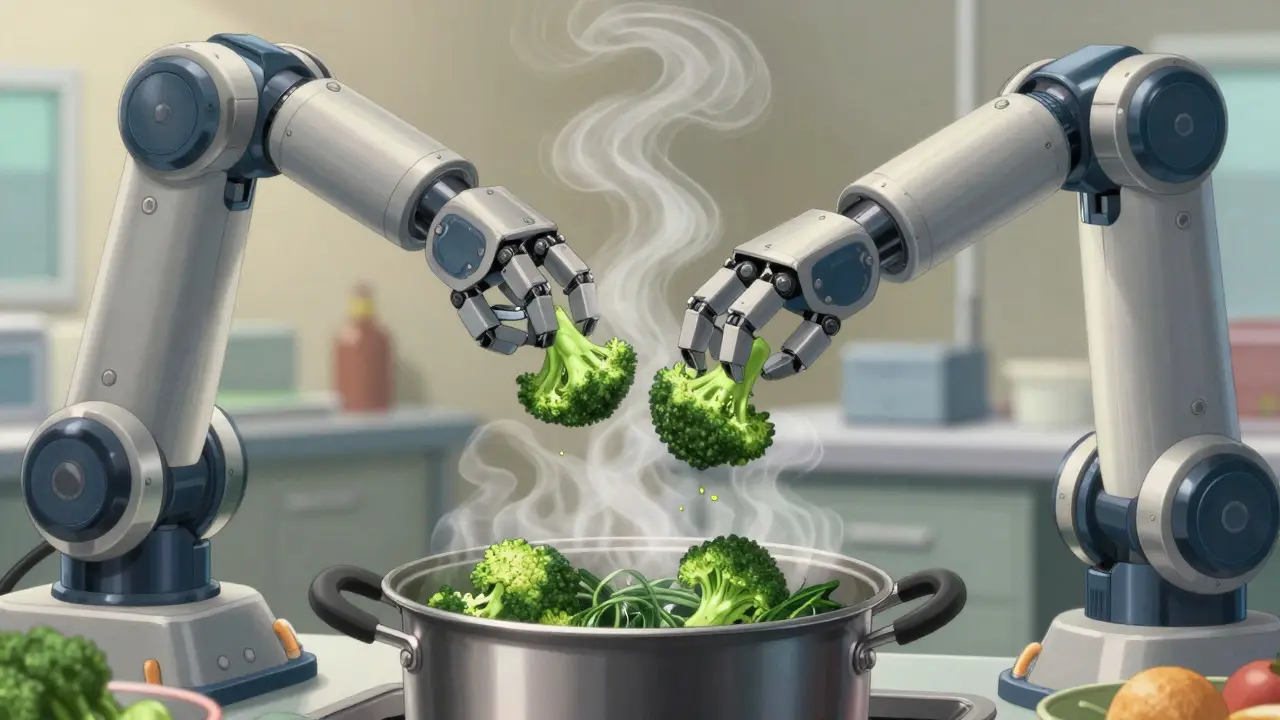
Boiling vegetables can reduce vitamin K content by 30-50%, while steaming preserves more. If you prefer boiling, just remember that your effective vitamin K intake is lower than what the label says. Consistency in cooking method matters just as much as consistency in food choice.
Common Myths and Misconceptions
A lot of bad advice circulates online. One common myth is that you must eliminate all vitamin K to stay safe. This is not only unnecessary but also unhealthy. Severe restriction can lead to nutrient deficiencies and bone health issues. The current clinical consensus emphasizes stability over restriction. Another myth is that supplements are harmless. In fact, taking high-dose vitamin K supplements without medical supervision can drastically lower your INR. Always consult your doctor before adding any supplement to your regimen.
Some patients worry that fruit juices affect their INR. While orange juice contains negligible vitamin K, grapefruit juice interacts with warfarin metabolism through CYP enzymes, potentially increasing drug levels. So, while vitamin K isn't the issue with grapefruit, it’s still a food-drug interaction worth noting.

When to Call Your Doctor
Even with the best dietary habits, fluctuations happen. Know the signs of your INR going out of range. If your INR drops too low (below 2.0), you might be at risk for clots. Symptoms can include leg swelling, chest pain, or shortness of breath. If your INR rises too high (above 3.0 or 3.5 depending on your target), bleeding risks increase. Look for unusual bruising, nosebleeds, pink urine, or prolonged bleeding from cuts.
Don’t wait for your scheduled appointment if you notice these symptoms. Contact your anticoagulation clinic immediately. They may adjust your warfarin dose temporarily or recommend a vitamin K antidote if necessary. Early intervention prevents emergency room visits and hospitalizations.
Frequently Asked Questions
Can I eat leafy greens while on warfarin?
Yes, absolutely. The key is consistency. Eat the same amount of leafy greens every day. Avoid large sudden increases or decreases in portion sizes. Spinach, kale, and collard greens are healthy and safe as long as your intake remains stable.
Does cooking destroy vitamin K?
Cooking methods do affect vitamin K content. Boiling can leach 30-50% of the vitamin into the water, reducing its bioavailability. Steaming or microwaving preserves more of the nutrient. Whichever method you choose, use it consistently to keep your effective intake predictable.
What is the ideal INR range for warfarin users?
For most conditions like deep vein thrombosis or atrial fibrillation, the target INR is typically 2.0 to 3.0. For mechanical heart valves, especially in the mitral position, the target may be higher, often 2.5 to 3.5. Your doctor will specify your personal target range based on your condition.
Should I take vitamin K supplements?
Generally, no, unless prescribed by your doctor. Over-the-counter multivitamins often contain variable amounts of vitamin K. Taking extra can lower your INR unpredictably. If your doctor prescribes low-dose vitamin K to stabilize a high INR, follow their dosage instructions precisely.
How does alcohol affect warfarin and INR?
Alcohol can interfere with warfarin metabolism and liver function, potentially altering INR levels. Moderate consumption is usually acceptable if consistent, but binge drinking can cause significant fluctuations. Limit alcohol intake and discuss your specific limits with your healthcare provider.