ADHD Stimulant Heart Risk Assessment Tool
Personal Risk Assessment
This tool helps you understand your cardiac risk when considering stimulant medications for ADHD. Based on medical guidelines from the American Heart Association and American Academy of Pediatrics.
When you or your child starts taking stimulant medication for ADHD, the focus is usually on focus, impulse control, and school performance. But behind the improved grades and calmer mornings, there’s a quieter conversation happening in doctor’s offices: could this be stressing the heart?
How Stimulants Affect the Heart
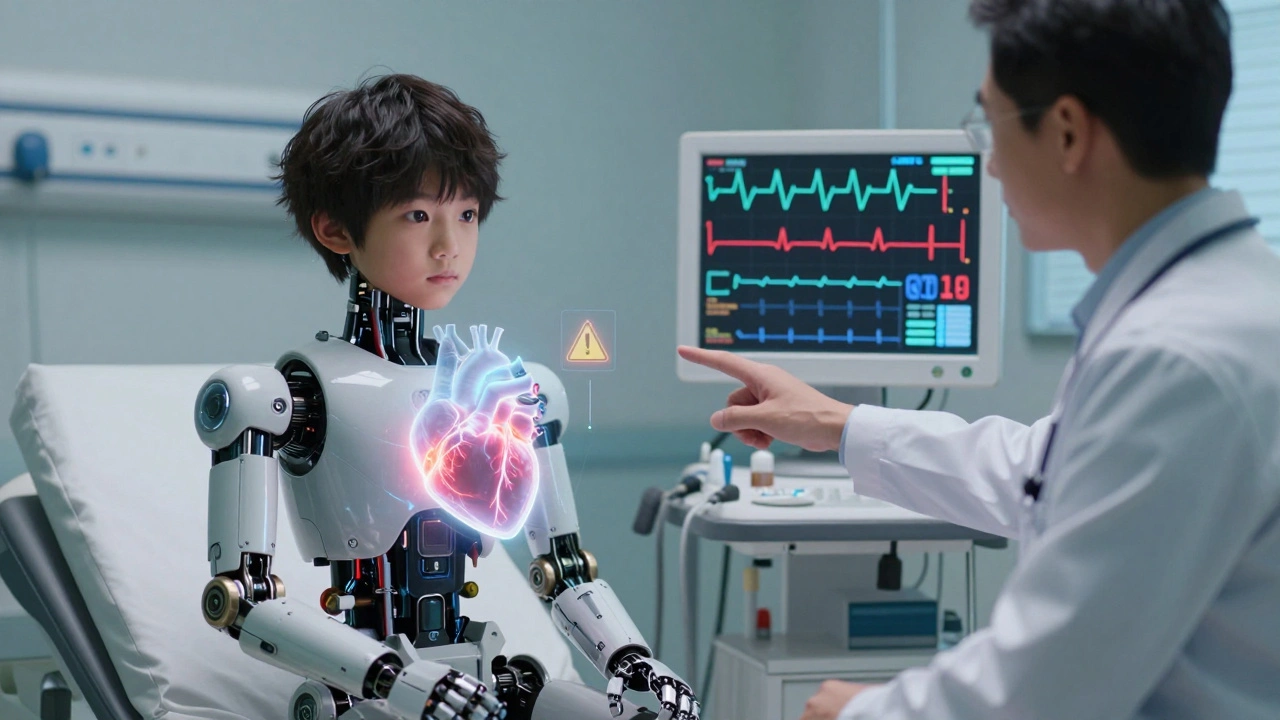
Prescription stimulants like Adderall, Ritalin, and Vyvanse work by boosting dopamine and norepinephrine in the brain. That’s what helps with attention. But those same chemicals also hit the heart. They make it beat faster and push blood through vessels with more force. For most people, this causes only a small bump - maybe 2 extra beats per minute, a few points higher in blood pressure. That’s not dangerous by itself. But sometimes, that small push is enough to trigger something more serious: an irregular heartbeat, or arrhythmia. It’s not common, but it’s real. Studies show that in adults over 65, starting a stimulant can triple the risk of dangerous ventricular arrhythmias in the first 30 days. That’s not because the drug is toxic - it’s because the heart’s electrical system gets temporarily confused. The drug interferes with how ions move in and out of heart cells, which can delay repolarization and stretch the QT interval on an ECG. That’s the window when the heart resets after each beat. If it’s too long, the heart can misfire. Illicit stimulants like cocaine and methamphetamine do this much worse. They don’t just nudge the system - they slam it. Cocaine blocks sodium and potassium channels like a faulty circuit breaker. Methamphetamine does the same, plus it damages heart muscle over time. People who use these drugs have 2.5 to 4.5 times the risk of ventricular arrhythmias compared to non-users. The difference between prescription and street drugs isn’t just legality - it’s dosage, purity, and how the body handles the stress.Who’s at Highest Risk?
Not everyone is equally at risk. The biggest red flags aren’t about age alone - they’re about history. If you or a close family member had sudden cardiac death before age 50, that’s a major warning. Same if someone has known heart conditions: long QT syndrome, hypertrophic cardiomyopathy, or unexplained fainting spells. Even a mild heart murmur picked up during a routine checkup should prompt a closer look. Children and teens with congenital heart defects are another group where caution matters. If the defect is repaired and stable, stimulants can often be used safely. But if it’s unrepaired or still causing blood flow issues, the risk goes up. The same goes for adults with undiagnosed heart disease. Many people don’t know they have it until a stress test or an ECG reveals it. Age plays a role too. In older adults, the risk spikes early - within the first month. In younger people, the danger builds slowly. A 2024 study found that young adults on stimulants for years had higher rates of cardiomyopathy over time. That doesn’t mean they’ll all get sick. But it does mean the heart changes gradually, and the longer you’re on the drug, the more you need to monitor.
What Doctors Do Before Prescribing
You might expect every patient to get an ECG before starting stimulants. But that’s not standard practice. The American Heart Association and American Academy of Pediatrics agree: routine ECGs aren’t needed for everyone. Why? Because the absolute risk is low. For every 1,000 kids on stimulants, fewer than one might have a serious cardiac event. The cost and anxiety of screening everyone outweigh the benefit. Instead, doctors rely on history and physical exam. They ask: Has anyone in your family died suddenly before 50? Have you ever passed out during exercise? Do you get chest pain or shortness of breath when you’re active? They check your blood pressure, listen to your heart for murmurs or irregular rhythms, and look for signs of underlying disease. If anything raises concern - even a single red flag - they refer you to a cardiologist. That’s when an ECG, or sometimes an echocardiogram, becomes necessary. It’s not about fear. It’s about knowing when to dig deeper.Monitoring After Starting Treatment
Starting the medication is just the beginning. Monitoring is part of the treatment plan. Most doctors will check your blood pressure and pulse within one to three months after starting. Then every six to twelve months after that. During dose increases, checks may happen more often. About 1 to 2% of patients develop blood pressure high enough to need action - usually a dose adjustment or switching meds. If your systolic pressure stays above the 95th percentile for your age, or if your ECG shows a QT interval longer than 460 milliseconds, the drug is usually stopped. That’s not arbitrary. Those thresholds are based on clinical evidence of increased arrhythmia risk. Some patients report palpitations or a racing heart. If it’s mild and goes away, it’s often just side effects. But if it’s frequent, lasts more than a few minutes, or comes with dizziness, don’t ignore it. That’s when you call your doctor.
Non-Stimulant Alternatives
If your heart is a concern, or if you’ve had a bad reaction, there are other options. They’re not as fast-acting or as effective for everyone, but they work - and they don’t push your heart the same way. Atomoxetine (Strattera) is the most common non-stimulant. It’s a selective norepinephrine reuptake inhibitor. It doesn’t cause the same spike in heart rate or blood pressure. Response rates are around 50-60%, lower than stimulants’ 70-80%, but it’s still helpful for many. It takes weeks to kick in, though - not days. Guanfacine (Intuniv) and clonidine (Kapvay) are blood pressure medications repurposed for ADHD. They work on the brain’s prefrontal cortex to improve focus and impulse control. They’re especially useful for kids with hyperactivity and emotional dysregulation. Side effects include drowsiness and low blood pressure, which can be tricky if you’re already prone to dizziness. These alternatives aren’t perfect. They don’t work for everyone. But for someone with a family history of sudden cardiac death, or a personal history of arrhythmias, they’re often the smarter first choice.The Bigger Picture: Risk vs. Reward
It’s easy to get scared by headlines. But the data tells a clearer story. The FDA, the American Heart Association, and the American Academy of Pediatrics all agree: for most people, the benefits of stimulants outweigh the risks. ADHD isn’t just about focus - it’s about self-esteem, relationships, job performance, and avoiding accidents. Untreated ADHD increases the risk of car crashes, substance abuse, and unemployment. The key is not avoiding stimulants. It’s knowing who needs extra care. A 2022 meta-analysis of over 1.2 million children found no statistically significant link between ADHD meds and serious heart events. That’s reassuring. But it doesn’t mean we ignore the outliers. The future of treatment is personalization. Researchers are looking at genetic markers - like variations in adrenergic receptor genes - that might predict who’s more likely to have heart issues on stimulants. In the next few years, we may see blood tests or genetic screens used alongside history to guide choices. For now, the best approach is simple: talk openly with your doctor. Share your family history. Report every symptom, even if it seems minor. Don’t skip follow-ups. And if you’re worried, ask about alternatives. You don’t have to choose between focus and heart health - you can find a path that gives you both.Can stimulant medications cause sudden cardiac death?
Sudden cardiac death from stimulant medications is extremely rare. Large studies of over a million children and young adults show no statistically significant increase in risk. However, in people with undiagnosed heart conditions - like long QT syndrome or hypertrophic cardiomyopathy - stimulants can trigger a fatal arrhythmia. That’s why a thorough medical history and physical exam before starting treatment are so important.
Do I need an ECG before starting ADHD medication?
Routine ECGs are not recommended for everyone by major medical groups like the American Heart Association. They’re only needed if you have symptoms like fainting, chest pain, or a family history of sudden cardiac death before age 50. For most people, a detailed medical history and physical exam are enough to rule out serious risk.
What’s the difference in heart risk between Adderall and Ritalin?
Both can raise heart rate and blood pressure, but amphetamines like Adderall tend to cause slightly stronger effects because they release more norepinephrine and dopamine. Some studies suggest a marginally higher cardiovascular risk with amphetamines compared to methylphenidate (Ritalin), but direct comparisons on arrhythmia risk are limited. The difference is small - and not enough to change prescribing for most people.
Are non-stimulant ADHD meds less effective?
Yes, generally. Stimulants work for 70-80% of patients. Non-stimulants like Strattera, Intuniv, or Kapvay help about 50-60% of people. They also take longer to work - weeks instead of days. But for those with heart concerns, they’re often the safer first option. Many patients find them effective enough to avoid the cardiac risks of stimulants.
How often should I get my heart checked while on stimulants?
Blood pressure and pulse should be checked at baseline, then 1-3 months after starting, and every 6-12 months during ongoing treatment. More frequent checks are needed during dose changes. If you have risk factors - like high blood pressure or a family history - your doctor may recommend an ECG or referral to a cardiologist.
Can I drink caffeine while taking stimulants?
It’s best to limit caffeine. Both caffeine and stimulant medications increase heart rate and blood pressure. Combining them can amplify side effects like jitteriness, palpitations, or insomnia. If you’re already feeling your heart race on stimulants, adding coffee, energy drinks, or soda can push you closer to an arrhythmia. Moderation is key.