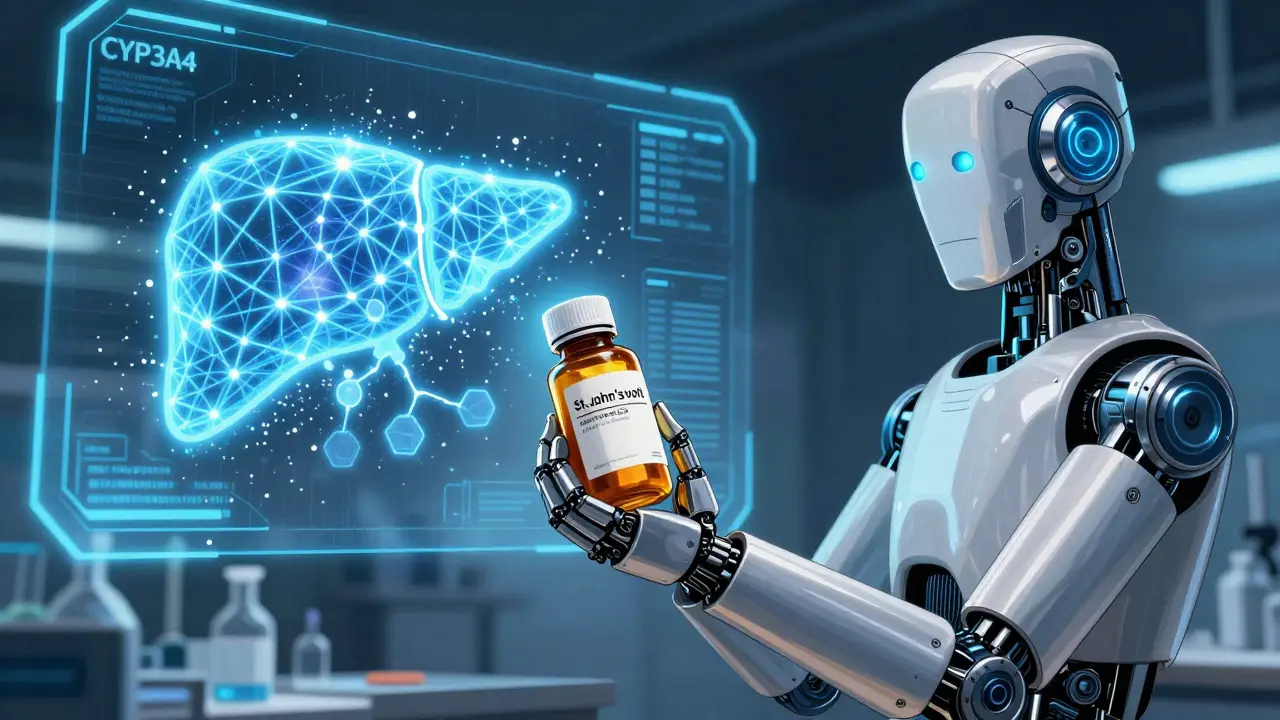
You grab a bottle of St. John’s Wort is a popular herbal supplement used primarily for treating mild to moderate depression and anxiety. from the shelf because you want to avoid prescription side effects. It feels natural. It feels safe. But if you are taking birth control, blood thinners, or heart medication, that "natural" remedy might be quietly turning your life-saving drugs into sugar pills.
This isn't scaremongering. This is pharmacology. St. John’s Wort (Hypericum perforatum) is arguably the most dangerous common herbal supplement when it comes to mixing with other medications. It doesn't just sit in your system; it actively changes how your liver processes chemicals. For millions of people, this means their prescribed treatments stop working without them ever realizing it.
The Mechanism: Why St. John’s Wort Messes With Your Liver
To understand why this herb is such a troublemaker, you have to look at what happens inside your body. The primary culprit in St. John’s Wort is a compound called hyperforin is the active chemical component responsible for inducing liver enzymes that break down medications.. When you ingest St. John’s Wort, hyperforin activates a receptor in your liver cells known as pregnane-X-receptor (PXR).
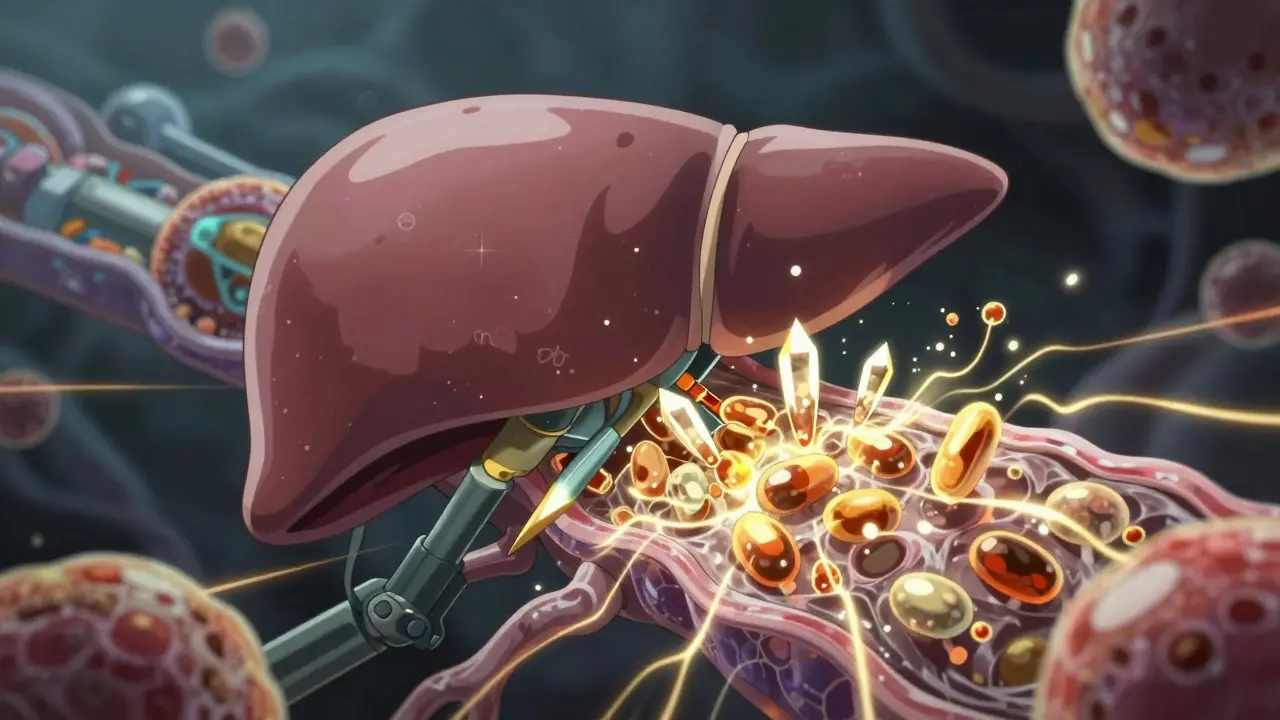
Think of PXR as a switch. When hyperforin flips this switch, your liver goes into overdrive, producing more of certain enzymes, specifically the cytochrome P450 family. The big ones affected are CYP3A4, CYP2C9, and CYP1A2. These enzymes are the cleanup crew for drugs. Normally, they break down medication at a steady pace so you get a consistent dose in your bloodstream. But under the influence of St. John’s Wort, these enzymes work much faster.
The result? Your body metabolizes your prescription drugs too quickly. The concentration of the drug in your blood drops below therapeutic levels. You take your pill, but it’s gone before it can do its job. This effect typically peaks around 10 days after starting the herb, but here is the kicker: even after you stop taking St. John’s Wort, the enzyme induction can persist for up to two weeks. That window leaves you vulnerable long after you’ve put the bottle away.
The High-Risk Medication List: What Not To Mix
Not all drugs are created equal, but St. John’s Wort has a massive reach. It interacts with over 50 significant prescription medications. If you are on any of the following categories, you need to talk to your doctor or pharmacist before even thinking about adding this herb to your routine.
| Medication Class | Specific Examples | Consequence of Interaction |
|---|---|---|
| Immunosuppressants | Cyclosporine, Tacrolimus | Acute organ rejection in transplant patients due to drastically lowered drug levels. |
| Anticoagulants | Warfarin (Coumadin) | Reduced INR levels, leading to increased risk of blood clots and stroke. |
| HIV Protease Inhibitors | Ritonavir, Indinavir | Viral load increases, potentially leading to drug-resistant HIV strains. |
| Oral Contraceptives | Ethinyl estradiol/Norethindrone | Failure of birth control, resulting in unintended pregnancy. |
| SSRI Antidepressants | Fluoxetine, Sertraline | Risk of serotonin syndrome, a potentially fatal condition caused by excess serotonin. |
| Opioid Painkillers | Methadone, Oxycodone | Reduced pain relief and potential withdrawal symptoms. |
Let’s look closer at the transplant scenario. In documented cases, heart and kidney transplant recipients who added St. John’s Wort to their regimen experienced acute organ rejection. Why? Because drugs like cyclosporine and tacrolimus have a "narrow therapeutic index." This means the difference between a helpful dose and a useless dose is tiny. St. John’s Wort shoves those levels out of range fast. One patient saw their tacrolimus levels drop from a safe 5-15 ng/mL to dangerously low numbers within weeks, leading to hospitalization.
Then there is the issue of birth control. This is one of the most common and devastating interactions reported by users. Women taking oral contraceptives often assume they are protected. However, St. John’s Wort accelerates the breakdown of estrogen and progestin. User reviews on health forums frequently mention unintended pregnancies directly linked to starting this supplement. It is not a myth; it is a metabolic reality.
Serotonin Syndrome: The Danger of Doubling Up
While the liver enzyme induction causes drugs to fail, there is another danger zone: serotonin syndrome. St. John’s Wort works partly by inhibiting the reuptake of serotonin, similar to how prescription SSRIs like Prozac or Zoloft work. If you combine them, you aren't just getting double the benefit; you are flooding your brain with neurotransmitters.
Serotonin syndrome is a serious, potentially life-threatening condition. Symptoms include agitation, confusion, rapid heart rate, high blood pressure, dilated pupils, loss of muscle coordination, heavy sweating, diarrhea, headache, shivering, goosebumps, and in severe cases, seizures or unconsciousness. The Mayo Clinic explicitly warns against combining St. John’s Wort with antidepressants for this exact reason. It is not a subtle interaction; it is an emergency room visit waiting to happen.
Regulatory Landscape: Why Warnings Vary
If you live in the United States, St. John’s Wort is sold as a dietary supplement. This means it falls under the Dietary Supplement Health and Education Act (DSHEA). The FDA does not approve supplements for safety or efficacy before they hit the market. While the FDA issued a Public Health Advisory in 2000 warning about these interactions, the labeling requirements remain less stringent than for pharmaceuticals. You might see a small disclaimer, but it rarely carries the weight of a black-box warning on a prescription label.
In Europe, the story is different. The European Medicines Agency (EMA) has taken a harder line. Since 2004, regulatory authorities in countries like Germany and the UK have mandated specific warnings on product packaging. They require labels to explicitly state that St. John’s Wort should not be used with oral contraceptives, immunosuppressants, and anticoagulants. In Germany, where the herb accounts for roughly 20% of antidepressant treatments, healthcare providers are trained to screen for these interactions routinely.
This disparity creates a blind spot for many American consumers. They assume that because it is sold next to vitamins, it is benign. But pharmacologically, St. John’s Wort behaves more like a potent enzyme inducer such as rifampin (an antibiotic) than a gentle vitamin. The lack of pre-market approval means quality varies wildly too. Some extracts may contain higher concentrations of hyperforin, making the interactions even more unpredictable.
Alternatives and Safer Options
If you are struggling with mild to moderate depression but cannot risk interacting with your current medications, you are not out of options. There are other herbal and nutritional supplements with significantly cleaner interaction profiles.
- SAM-e (S-adenosylmethionine): This compound is naturally occurring in the body and has shown efficacy in clinical trials for depression. Its interaction profile is much narrower. The main caution is avoiding it if you are on MAO inhibitors, but it generally does not mess with liver enzymes like St. John’s Wort does.
- 5-HTP (5-hydroxytryptophan): A precursor to serotonin. Like SAM-e, it requires caution with SSRIs due to serotonin syndrome risk, but it does not induce cytochrome P450 enzymes. Therefore, it won’t render your blood thinners or birth control ineffective.
- Saffron Extract: Emerging research suggests saffron may be comparable to some standard antidepressants for mild depression. Early data indicates a favorable safety profile with minimal drug-drug interactions.
Another emerging area is hyperforin-free St. John’s Wort extracts. Researchers are developing formulations that remove the hyperforin component while keeping other beneficial compounds. A 2022 study showed these modified extracts had a 90% reduction in CYP3A4 induction. However, these are not yet widely available or standardized, so you cannot rely on finding them on a typical pharmacy shelf today.
What You Should Do Now
Knowledge is power, but action saves lives. If you are currently taking St. John’s Wort, do not panic, but do not ignore this information. Here is your checklist:
- Gather your meds: Write down every prescription, over-the-counter drug, and supplement you take.
- Consult a professional: Take this list to your pharmacist. Pharmacists are the experts in drug interactions. Ask specifically: "Does St. John’s Wort interact with anything on my list?"
- Monitor for failure signs: If you are on birth control and start having breakthrough bleeding, use backup contraception immediately. If you are on warfarin, ensure your INR is checked more frequently.
- Consider alternatives: If the interaction risk is too high, discuss switching to a safer herbal alternative or adjusting your prescription dosage under medical supervision.
Remember, "natural" does not mean "harmless." Water is natural, but drinking too much can kill you. St. John’s Wort is powerful medicine. Treat it with the same respect you would treat a prescription script.
How long does it take for St. John’s Wort to affect other medications?
It typically takes about 10 days of regular use for St. John’s Wort to fully induce liver enzymes and significantly lower blood levels of other drugs. However, noticeable effects can begin within a few days. After stopping St. John’s Wort, the enzyme-inducing effects can persist for up to two weeks.
Can I take St. John’s Wort with Tylenol or Ibuprofen?
St. John’s Wort induces CYP2C9, which metabolizes ibuprofen and other NSAIDs. This could theoretically reduce their effectiveness, though the risk is generally considered lower than with narrow-therapeutic-index drugs like warfarin. Acetaminophen (Tylenol) is processed differently, but combining multiple substances always increases liver stress. Consult your doctor for personalized advice.
Why is St. John’s Wort banned or restricted in some countries?
It is not necessarily banned, but heavily regulated. In the EU, it requires strict labeling warnings. Some countries restrict its sale to pharmacies rather than general stores to ensure professional counseling accompanies purchase. The restrictions stem from the high number of severe adverse events linked to drug interactions, particularly with immunosuppressants and HIV medications.
Does St. John’s Wort interact with alcohol?
Yes. St. John’s Wort can increase the metabolism of alcohol, potentially reducing its intoxicating effects. However, both substances can cause drowsiness and dizziness. Combining them may lead to unpredictable sedative effects or worsen depression symptoms. It is generally advised to limit alcohol consumption while treating depression.
Is there a safe time gap between taking St. John’s Wort and my prescription?
No. The interaction is not about timing the doses (like taking one in the morning and one at night). It is about the chronic induction of liver enzymes. As long as you are taking St. John’s Wort regularly, your liver will process other drugs faster. Spacing them out does not prevent the metabolic interaction.