Retail Pharmacy Mistakes: Common Errors and How to Avoid Them
When you pick up a prescription at your local pharmacy, you expect it to be correct. But retail pharmacy mistakes, errors made during dispensing, labeling, or counseling at community pharmacies. Also known as dispensing errors, these can range from giving the wrong dose to mixing up similar-sounding drugs—and the consequences can be deadly. These aren’t rare accidents. Studies show that nearly 1 in 20 prescriptions filled in retail pharmacies contain some kind of error, and many go unnoticed until it’s too late.
One of the biggest culprits is medication errors, mistakes in prescribing, dispensing, or taking drugs that lead to harm. They happen because pharmacists are rushed, labels look too similar, or staff don’t double-check high-risk drugs like insulin or blood thinners. prescription errors, incorrect drug, dose, or instructions written by doctors or entered into the system often start before the pill even leaves the pharmacy. And patients? They might not ask questions because they assume the pharmacy got it right. That’s the dangerous part. You’re not just trusting the system—you’re trusting people who are working under pressure, often with outdated tech or understaffed teams.
Some mistakes are obvious: giving amoxicillin instead of amiodarone, or 10 mg instead of 100 mg. Others are silent. A patient gets the right drug but the wrong instructions—like taking a pill with grapefruit juice when it’s contraindicated. Or they’re handed a new blood thinner without being told how to monitor for bleeding. These aren’t just paperwork issues. They’re safety failures that show up in ER visits, hospitalizations, and sometimes deaths. And they’re preventable.
The good news? You don’t have to be a victim. You can protect yourself by asking simple questions: Is this the same as last time? What’s this for? Are there any foods or other meds I should avoid? Pharmacists are trained to answer these—but they can’t read your mind. If something looks off, speak up. Check the bottle against the prescription slip. Compare the pill color and shape with previous fills. Use apps to track your meds. Don’t assume automation fixes everything. Automated dispensing cabinets, like those in clinics, help—but even they can misfire if staff don’t follow safety rules.
Below, you’ll find real-world examples of what goes wrong in retail pharmacies—and how to stop it. From drug interactions like steroids with NSAIDs that raise GI bleeding risk, to transfer errors when switching pharmacies, these aren’t hypotheticals. They’re documented cases that led to real harm. You’ll also learn how to spot red flags in your own prescriptions, what to do if you notice a mistake, and how to make sure your next pharmacy visit doesn’t turn into a medical emergency.
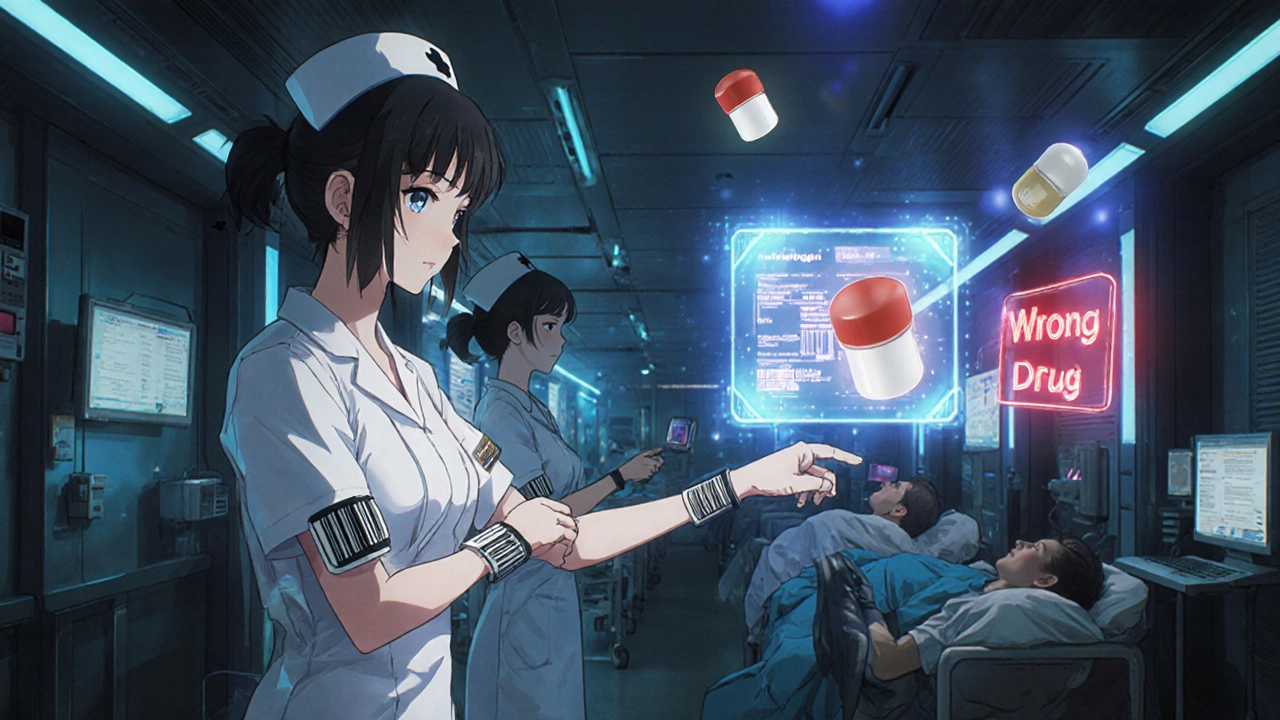
Medication Errors in Hospitals vs. Retail Pharmacies: What You Need to Know
Medication errors harm over 1.5 million people yearly. Hospitals have more errors but better safety nets; retail pharmacies have fewer errors but riskier outcomes. Here's how they differ - and what you can do to stay safe.