Opioid-Induced Hypogonadism: Causes, Symptoms, and What to Do
When you take opioids for chronic pain, you might not think about your hormones—but your body does. opioid-induced hypogonadism, a hormonal disorder caused by long-term opioid use that lowers testosterone and other sex hormones. It’s not rare, and it’s not just about libido—it affects energy, mood, muscle mass, and even bone strength. This isn’t something that shows up on a routine blood test unless your doctor knows to look for it. Many people assume their fatigue, low sex drive, or weight gain is just aging or stress. But if you’ve been on opioids for months or years, your body’s natural hormone production may have shut down.
low testosterone, a key feature of opioid-induced hypogonadism, happens because opioids interfere with the brain’s signals to the testes and ovaries. The hypothalamus and pituitary gland stop telling your gonads to make hormones. Men might notice reduced facial hair, shrinking testicles, or trouble getting or keeping an erection. Women may stop having periods or feel more mood swings. Both genders often report constant tiredness, trouble focusing, and losing muscle even with regular exercise. It’s not all in your head—it’s a measurable drop in hormones like testosterone, estrogen, and luteinizing hormone.
This isn’t just a side effect—it’s a chain reaction. chronic pain medication, especially long-acting opioids like oxycodone, morphine, or fentanyl, are the main drivers of this condition. The longer you take them, the higher the risk. Even if you’re taking a low dose, it can still happen. And here’s the catch: stopping opioids doesn’t always fix it right away. Hormone levels can stay low for months, or even longer, after you quit. That’s why it’s critical to talk to your doctor early, not wait until you’re struggling with symptoms.
Some people think switching to non-opioid pain treatments is the only solution—but that’s not always possible. For others, managing the hormonal side effects while still controlling pain is the goal. That’s where testing and targeted treatment come in. Simple blood tests can confirm if your hormone levels are low. If they are, options like testosterone replacement therapy (for men) or hormone support (for women) can help restore balance. But this isn’t something to self-manage. You need a doctor who understands the link between pain meds and hormones.
What you’ll find in the posts below aren’t just medical facts—they’re real stories and practical steps from people who’ve been there. You’ll see how opioid-induced hypogonadism shows up in everyday life, how it’s diagnosed, and what options exist when you’re caught between managing pain and protecting your body’s natural function. There’s no one-size-fits-all fix, but knowing what to ask for makes all the difference.
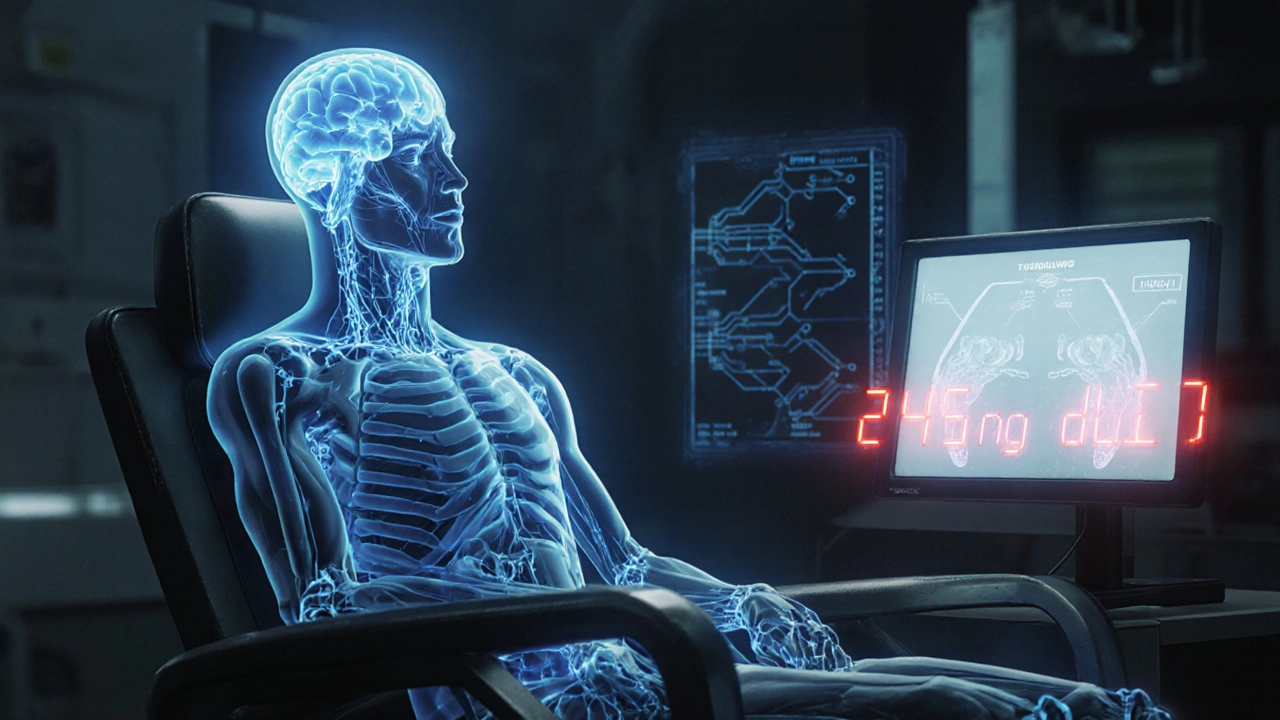
Opioids and Low Testosterone: Symptoms and Treatment Options
Long-term opioid use can suppress testosterone production, leading to fatigue, low libido, muscle loss, and increased health risks. Learn the symptoms, testing methods, and treatment options-including testosterone replacement and lifestyle changes-for opioid-induced hypogonadism.