Medication Errors: How They Happen and How to Stop Them
When you take a pill, it’s supposed to help—not hurt. But medication errors, mistakes in prescribing, dispensing, or taking drugs that lead to harm. Also known as drug safety incidents, these aren’t rare accidents—they’re systemic problems that happen in hospitals, pharmacies, and your own medicine cabinet. One in five adults has made a mistake with their meds. That’s not just a typo on a label. It’s giving a child the wrong dose because the chart was misread. It’s taking two painkillers that both contain acetaminophen and overdosing without knowing it. It’s picking up a new prescription from a different pharmacy and not telling your doctor you’re already on blood thinners.
Dosing errors, incorrect amounts of medication given or taken are the most common type, especially with kids and older adults. A child’s weight changes fast, and a parent might guess instead of measuring. Older folks juggle ten pills a day and mix up the bottles. Then there’s pharmacy errors, mistakes made when filling prescriptions—wrong drug, wrong strength, wrong instructions. Studies show nearly 40% of these errors happen because the pharmacist was rushed, the label was unclear, or the system didn’t flag a dangerous combo like steroids and NSAIDs together.
It’s not just about the pills. It’s about how they’re tracked. Apps that remind you to take your meds can help—but only if they’re set right. A dosing chart for a child might be perfect on paper but useless if you’re tired at 2 a.m. and misread the milligrams. Even something as simple as switching pharmacies can trigger a mistake if controlled substances aren’t transferred properly under DEA rules. And when you’re on multiple drugs—like aspirin with a blood thinner, or opioids that lower testosterone—the risk multiplies. These aren’t theoretical risks. People end up in the ER because they didn’t know green tea affects warfarin, or that codeine is unsafe while breastfeeding.
What you’ll find here isn’t a list of scary stats. It’s real, practical fixes. How to double-check your prescriptions. What to say when a pharmacist hands you a new bottle. How to use tools that actually work for tracking kids’ doses. Why some drug combos are dangerous—and how to avoid them without giving up your treatment. This isn’t about being perfect. It’s about being aware. And in a world where mistakes happen every day, awareness is the best protection you’ve got.
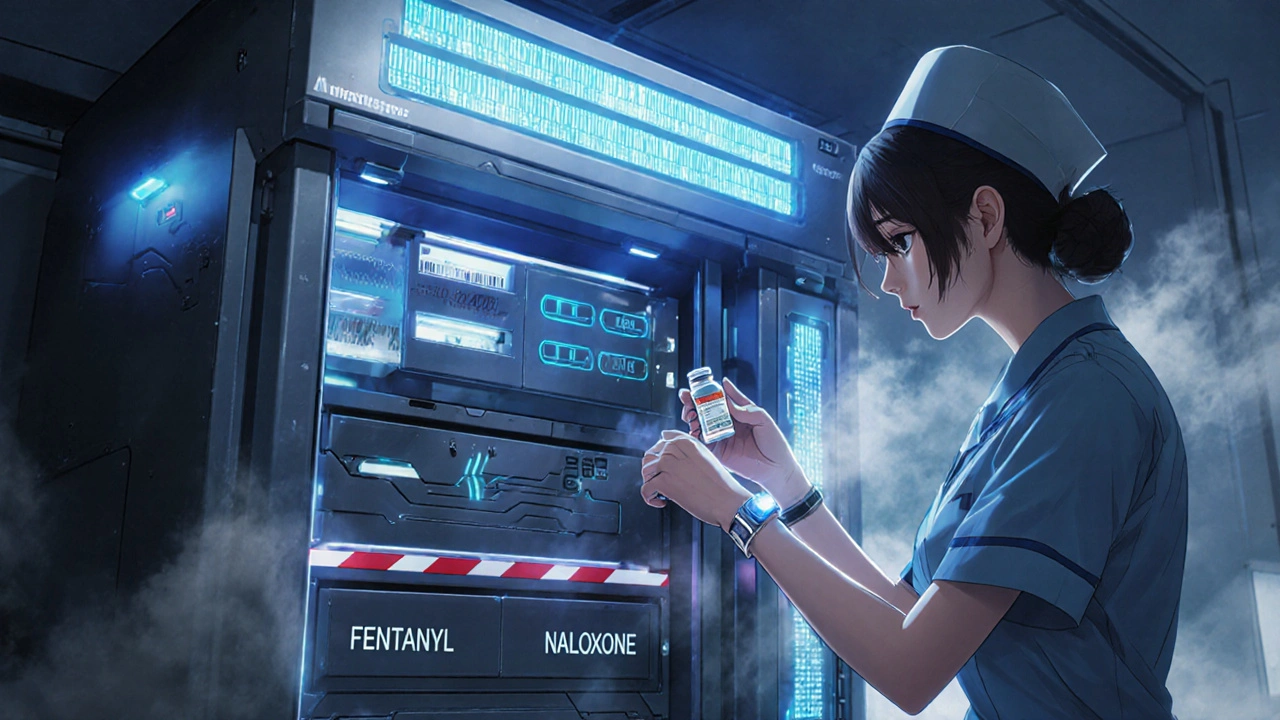
How to Use Automated Dispensing Cabinets Safely in Clinics
Automated Dispensing Cabinets (ADCs) can reduce medication errors-but only if used correctly. Learn the 9 safety rules, common mistakes, and how to prevent deadly errors in clinics.
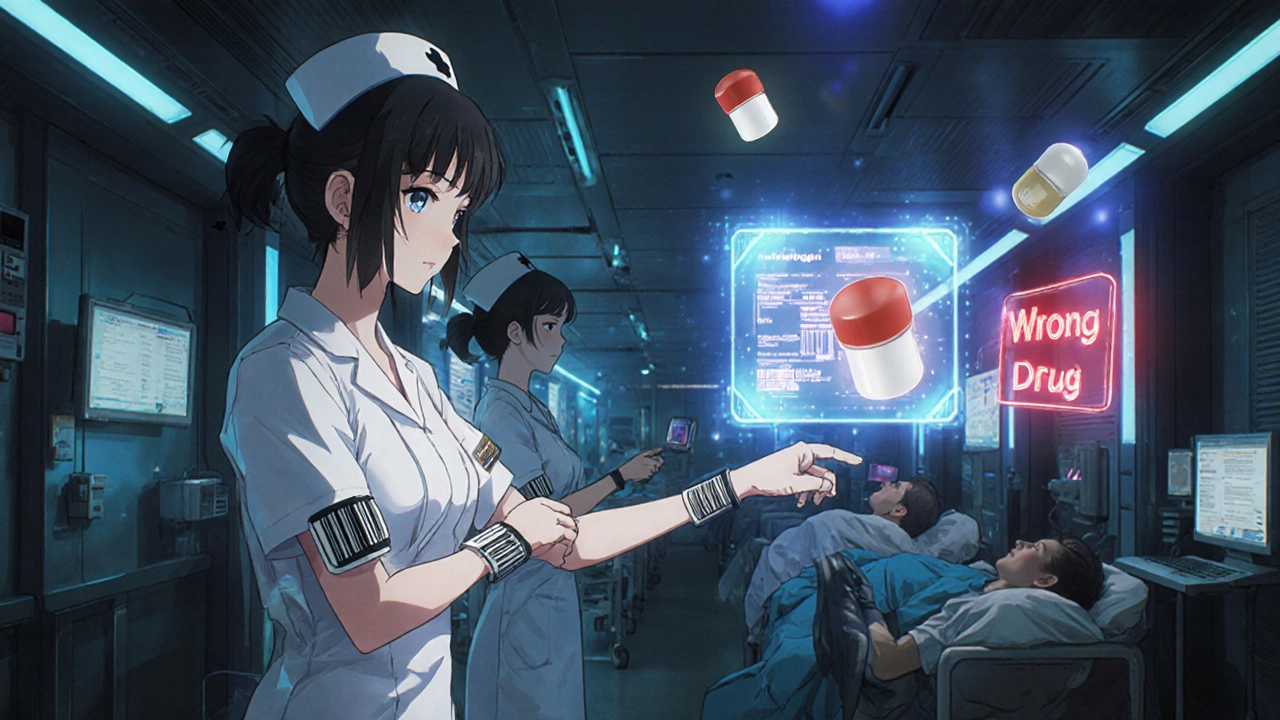
Medication Errors in Hospitals vs. Retail Pharmacies: What You Need to Know
Medication errors harm over 1.5 million people yearly. Hospitals have more errors but better safety nets; retail pharmacies have fewer errors but riskier outcomes. Here's how they differ - and what you can do to stay safe.