Drug Safety: Protect Yourself from Dangerous Interactions and Medication Errors
When you take a medication, drug safety, the practice of using medications correctly to avoid harm. Also known as medication safety, it’s not just about following the label—it’s about understanding how your drugs behave with each other, your body, and your lifestyle. Every year, hundreds of thousands of people end up in the hospital because of preventable mistakes with their meds. It’s not because they’re careless—it’s because the system is confusing, and few people are taught how to spot the real dangers.
One of the biggest threats to drug safety is drug interactions, when two or more medications react in ways that change how they work—or make you sick. For example, taking steroids and NSAIDs together can raise your risk of stomach bleeding by up to 12 times. Or mixing aspirin with blood thinners can cause internal bleeding you won’t see coming. Even something as simple as green tea can mess with warfarin and throw your INR levels off. These aren’t rare cases—they’re common, and they’re avoidable if you know what to watch for.
medication errors happen in clinics, pharmacies, and homes. Automated dispensing cabinets can help—but only if staff follow the rules. Parents giving kids the wrong dose because they guessed instead of using a chart. Someone switching pharmacies and losing track of a controlled substance. A person on long-term opioids not knowing their testosterone is crashing. These aren’t just technical failures—they’re human problems. And they’re all covered in the posts below.
Drug safety isn’t just about avoiding bad reactions. It’s about knowing when a combo is dangerous, recognizing early signs of trouble like fatigue, vision changes, or joint pain linked to meds, and understanding what alternatives exist. It’s about asking, "Is this really safe for me?"—not just taking what’s handed to you. You don’t need to be a doctor to protect yourself. You just need to know what questions to ask and what red flags to look for.
Below, you’ll find real, practical guides on the most common drug safety risks: dangerous combinations, how to track doses for kids, what to do when switching pharmacies, how to manage pain while breastfeeding, and how to avoid deadly mistakes with blood thinners, steroids, and opioids. These aren’t theory pieces—they’re checklists, comparisons, and step-by-step advice from people who’ve seen what happens when safety fails. Read them. Use them. Keep yourself—and the people you care about—safe.

Real-World Evidence Sources for Drug Safety: Registries and Claims Data
Registries and claims data are the backbone of modern drug safety monitoring. These real-world evidence sources help regulators detect rare side effects, track long-term outcomes, and make informed decisions after drugs hit the market.

How to Monitor Your Symptoms after a Safety Communication
Learn how to track symptoms after receiving a drug or device safety alert. Know what to watch for, how to report, and when to call your doctor-without getting overwhelmed.
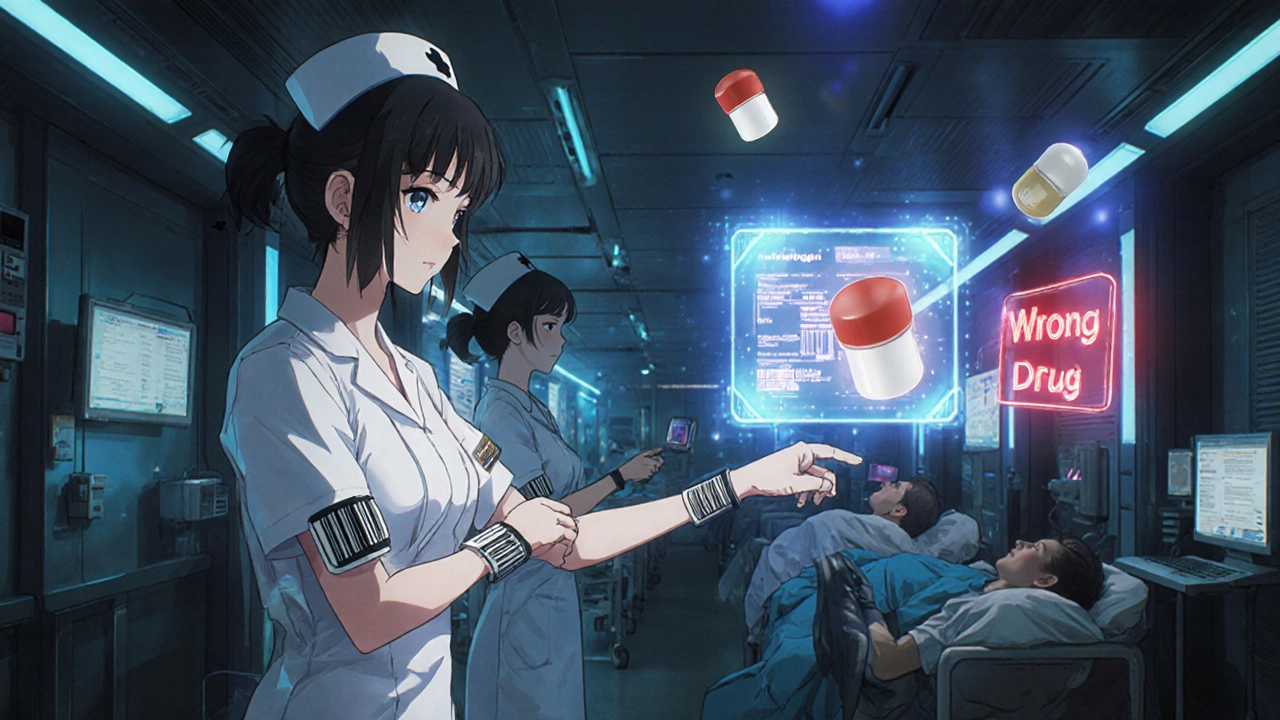
Medication Errors in Hospitals vs. Retail Pharmacies: What You Need to Know
Medication errors harm over 1.5 million people yearly. Hospitals have more errors but better safety nets; retail pharmacies have fewer errors but riskier outcomes. Here's how they differ - and what you can do to stay safe.