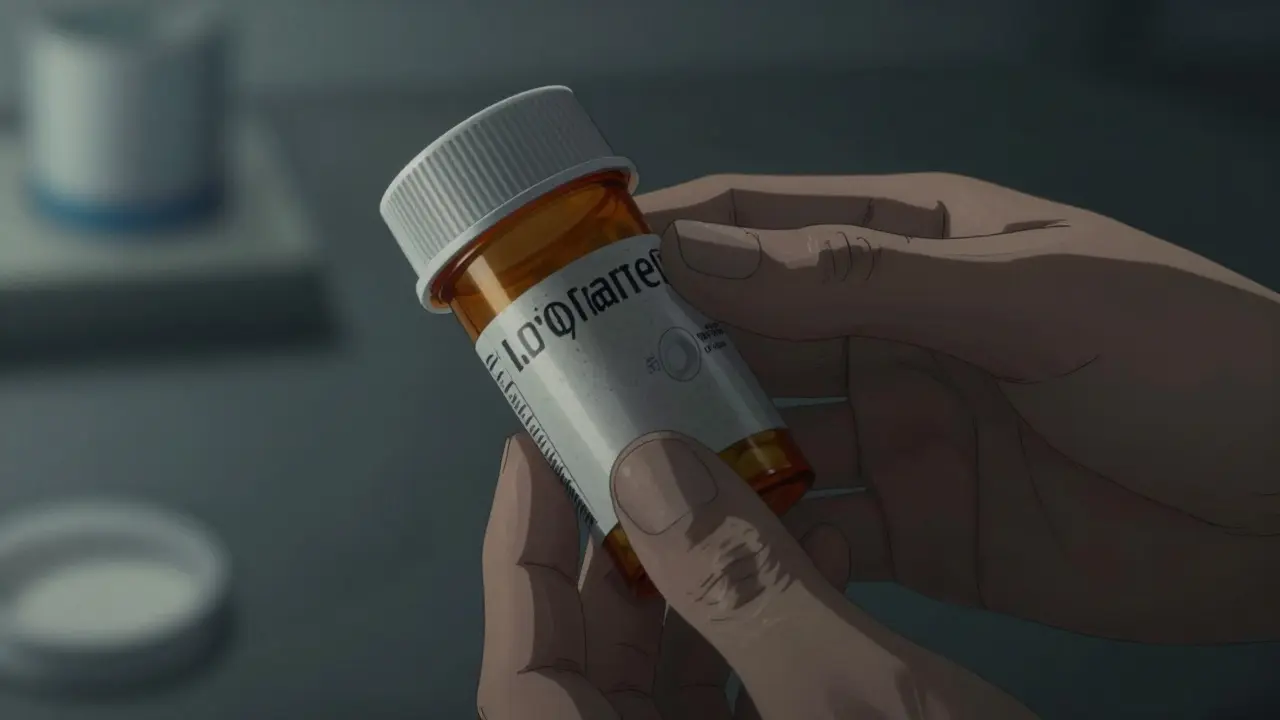
You just bought a new prescription online because the price was too good to pass up. When you open the bottle, the pills look slightly different-maybe the color is off, or the imprint is blurry. Your heart sinks. Is this real medicine, or is it a dangerous fake? You are not alone in this fear. Counterfeit drugs are pharmaceutical products deliberately and fraudulently mislabeled with respect to identity and/or source, which may contain incorrect ingredients, improper quantities of active ingredients, or harmful substances. They pose significant public health risks. According to the World Health Organization (WHO), these fakes make up about 1% of the global pharmaceutical market in developed countries but can hit 30% in some developing regions. That is a massive number of people at risk.
If you suspect your medication is fake, silence helps no one. Reporting it is the only way to stop criminal networks and protect others. But where do you start? Which agency handles what? How much evidence do you need? This guide breaks down exactly how to alert authorities, what information they need, and why your report matters more than you think.
Spotting the Red Flags: What Makes a Drug Suspect?
Before you pick up the phone or fill out a form, you need to be sure something is wrong. Most counterfeits have tell-tale signs that anyone can spot if they know where to look. The U.S. Food and Drug Administration (FDA) has tracked thousands of these cases, and patterns emerge clearly.
- Spelling errors: Look closely at the packaging. Typos on the label are present in 78% of counterfeit drugs according to FDA data from 2022. If "Hydrocodone" is spelled wrong, throw it out.
- Missing lot numbers: Legitimate pharmacies always include a lot number on the box or bottle. 63% of fakes lack this crucial traceability code.
- Physical changes: Does the pill crumble easily? Is the color different from your last refill? Abnormal texture or color shows up in 52% of fake meds.
- Packaging issues: Cheap printing, missing seals, or boxes that don’t close properly are huge red flags. Packaging inconsistencies appear in 87% of counterfeit cases.
If you see any of these, do not take the medication. Keep the bottle, the box, and even the receipt. These items are your evidence.
Who Do You Call? Choosing the Right Authority
Confusion is the biggest barrier to reporting. A 2022 Consumer Reports survey found that 63% of consumers felt "significant confusion" about which agency to contact, and 41% called the wrong place first. Here is who handles what, so you can skip the runaround.
| Agency / Channel | Best For | Response Time | Key Requirement |
|---|---|---|---|
| FDA MedWatch | Adverse health effects & product quality issues | 72 hours (electronic) | Drug name, lot number, NDC |
| FDA Office of Criminal Investigations (OCI) | Suspected criminal activity & large-scale fraud | 48 hours (high priority) | Evidence preservation, suspect details |
| DEA Tip Submission | Controlled substances (opioids, stimulants) | Varies | Must be Schedule I-V substance |
| Pharmaceutical Manufacturer | Brand-specific authenticity checks | 24-48 hours | Product-specific expertise needed |
| WHO Global Surveillance System | International coordination & global alerts | 14 days average | Not for urgent individual cases |
For most everyday consumers, FDA MedWatch is the primary reporting system for adverse events and product quality issues related to medical products in the United States. It is free, easy to use online, and handles the bulk of consumer reports. If you believe you are dealing with a criminal ring-like buying from an illegal website that takes cash-only payments-go straight to the FDA’s Office of Criminal Investigations (OCI).
Step-by-Step: How to File a Report Correctly
Submitting a report is useless if you don’t provide enough detail. Dr. Patrizia Cavazzoni, Director of the FDA’s Center for Drug Evaluation and Research, noted that timely reporting with comprehensive documentation increases investigative success rates by 63%. Here is how to do it right.
- Document everything immediately. Take clear photos of the pill, the bottle, the box, and the prescription label. Note the date you bought it and where. This step takes about 15 minutes but saves investigators hours later.
- Preserve the evidence. Do not throw away the packaging. Keep the pills in their original container. If you have already taken some, note how many and when. Chain-of-custody matters for criminal investigations.
- Contact your healthcare provider. If you feel sick or notice side effects, call your doctor or pharmacist first. They can assess your health risk and may help verify if the drug looks authentic based on their experience.
- Complete the reporting form. Go to www.fda.gov/medwatch for electronic submission. The FDA Form 3500 requires specific fields: drug name, strength, lot number, National Drug Code (NDC), and a description of the problem. Electronic forms take about 22 minutes to complete.
- Follow up. If you do not receive an acknowledgment within 10 business days, contact the FDA again. Lack of feedback is a common complaint, cited by 63% of users in the FDA’s 2022 Customer Satisfaction Report.
Need help while filling it out? The FDA’s Drug Information Call Center is available 24/7 at 855-543-3784. Their average hold time is just over three minutes, making it a quick resource for clarification.

Why Online Pharmacies Are High-Risk Zones
The rise of e-commerce has made buying meds easier, but also riskier. The National Association of Boards of Pharmacy found that 96% of online pharmacies reviewed in 2022 failed to comply with U.S. pharmacy laws. INTERPOL’s Operation Pangea XXV in March 2022 resulted in 113,000 website takedowns across 92 countries, seizing 4.3 million counterfeit products.
Most of these fakes come from illicit sites that mimic legitimate brands. They often offer brand-name drugs at steep discounts without requiring a prescription. If a site asks for payment via cryptocurrency or wire transfer, walk away. Legitimate pharmacies require standard credit card payments and a valid prescription.
In the U.S., the Drug Supply Chain Security Act (DSCSA) mandates electronic tracing of prescription drugs by November 2023. This means every step from manufacturer to pharmacy should be trackable. If your online seller cannot provide this traceability, they are likely operating outside the law.
What Happens After You Report?
Knowing what happens next keeps people engaged. The FDA received approximately 100,000 adverse event reports annually through MedWatch, with counterfeit drug reports growing since the pandemic. Here is the typical flow:
- Acknowledgment: Within 72 hours for electronic submissions, you should get a confirmation email. Paper forms take up to 14 days.
- Initial Review: FDA analysts check if the report matches known patterns. If you included photos of packaging irregularities, processing is 89% faster than text-only reports.
- Investigation Trigger: If the case involves potential criminal activity, it gets forwarded to the OCI. In FY 2022, the OCI processed 1,842 counterfeit drug investigations, leading to 187 criminal convictions.
- Public Alerts: If a widespread issue is found, the WHO or FDA may issue a global alert. The WHO’s system has issued 17 global alerts affecting 89 countries as of September 2023.
You might not hear back directly unless your case becomes part of a larger investigation. However, your report contributes to the data that shuts down bad actors. The FDA Commissioner Robert Califf noted that a 22% increase in MedWatch counterfeit reports in 2022 directly correlated with intercepting 1.2 million additional counterfeit pills at ports of entry.

Common Mistakes to Avoid
Even well-meaning reporters can mess up the process. Here is what to avoid:
- Throwing away evidence: Once the bottle is gone, the case is dead. Investigators need physical proof to test ingredients and trace sources.
- Vague descriptions: Saying "the pill looked weird" isn’t enough. Specify: "The imprint was faded," or "The tablet dissolved instantly in water."
- Delaying reporting: Memory fades. Report as soon as you suspect something. The sooner the data is logged, the quicker patterns can be identified.
- Contacting the wrong agency: Don’t call local police for a minor packaging error. Use MedWatch. Save OCI for obvious criminal operations.
Remember, you are not accusing anyone of a crime yet. You are flagging a potential safety hazard. Authorities appreciate cautious, detailed reports over aggressive accusations.
Global Context: Reporting Outside the U.S.
If you live outside the United States, the principles remain similar, but the agencies differ. The WHO’s Global Surveillance and Monitoring System accepts reports from 141 countries. As of June 2023, it had received 1,500 reports, with antimalarials (42.7%), cardiovascular medicines (21.3%), and antibiotics (18.6%) being the top categories.
In the European Union, the Falsified Medicines Directive requires safety features on all prescription packaging since February 2019. If your EU medication lacks these tamper-evident seals, report it to your national regulatory authority. Many EU countries have dedicated hotlines for drug safety.
The Pharmaceutical Security Institute (PSI) offers multilingual support in 27 languages and has documented nearly 10,000 anti-counterfeiting incidents since 1991. Their email, [email protected], is a valuable resource for international professionals and consumers alike.
Staying Safe: Prevention Tips
Reporting is reactive. Prevention is proactive. Here is how to lower your risk:
- Stick to licensed pharmacies: Use local brick-and-mortar stores or verified online pharmacies. Check if they display the VIPPS seal (Verified Internet Pharmacy Practice Sites) in the U.S.
- Verify prescriptions: Never buy controlled substances like opioids or ADHD meds from social media sellers or dark web markets.
- Check prices: If it seems too cheap to be true, it probably is. Brand-name drugs have consistent pricing due to manufacturing costs.
- Use verification tools: Some manufacturers, like Pfizer and Merck, now include QR codes on packaging for digital verification. Scan them before taking the first dose.
The global counterfeit pharmaceutical market reached $231.6 billion in 2022 and is projected to grow to $289.4 billion by 2027. Criminals are getting smarter, using AI and advanced printing techniques. But so are regulators. By staying vigilant and reporting suspicious items, you play a direct role in shrinking this black market.
Is it anonymous to report counterfeit drugs?
Yes, you can submit reports anonymously through the FDA MedWatch portal. While providing your contact information helps investigators follow up for more details, it is not mandatory. Your privacy is protected under federal regulations.
What if I already took the suspected fake drug?
Contact your healthcare provider immediately if you experience unusual symptoms. Then, file a report with the FDA MedWatch, detailing the timeline of ingestion and any adverse effects. This data is critical for tracking health outcomes linked to counterfeit products.
Can I report a drug bought from a foreign country?
Yes. If you imported the medication into the U.S., report it to the FDA. If you are currently abroad, contact your local national regulatory authority or the WHO Global Surveillance System. Cross-border cooperation is key to dismantling international trafficking rings.
How long does an investigation take?
It varies widely. Simple product quality issues may be resolved in weeks. Complex criminal investigations involving multiple jurisdictions can take months or years. The FDA OCI aims to trigger field investigations within 48 hours for high-priority cases, but full resolution depends on evidence complexity.
Do I need a lawyer to report counterfeit drugs?
No. Reporting is a civic duty, not a legal action. You do not need legal representation to file a complaint with the FDA or other regulatory bodies. Lawyers are only involved if you decide to pursue civil litigation against a pharmacy or manufacturer later.