Medication Interaction Checker
Check Your Medications
Current Medications:
0
Add medications to check for dangerous interactions.
When you take multiple medications, every pill matters. Missing one can throw off your whole routine. Taking the wrong combination can land you in the hospital. And if you’re filling prescriptions at different pharmacies, you’re putting your health at risk-without even realizing it.
The Hidden Danger of Multiple Pharmacies
Most people don’t think twice about switching pharmacies. Maybe one has cheaper prices. Maybe another is closer to work. Or maybe you got a coupon for a free month’s supply. But when you spread your prescriptions across different pharmacies, you’re cutting your pharmacist out of the loop. And that’s dangerous. Pharmacists aren’t just people who hand out pills. They’re trained to spot dangerous drug interactions. When you use one pharmacy, they see your full list: every prescription, every over-the-counter pill, every supplement. That full picture lets them catch problems before they happen. Research shows that people who use multiple pharmacies are 34% more likely to experience a harmful drug interaction than those who stick with one. One of the most common and deadly combinations? Warfarin (a blood thinner) and NSAIDs like ibuprofen. Together, they can cause serious internal bleeding-five times more likely than with warfarin alone. And if your pharmacist doesn’t know you’re taking both because they’re from different stores, they won’t warn you. Therapy duplication is another silent killer. That’s when you accidentally take two drugs with the same active ingredient. For example, taking both Tylenol and a cold medicine that also contains acetaminophen. You might think you’re just doubling up on pain relief. Instead, you could overdose on acetaminophen and damage your liver. Studies show this happens in 7% of people using multiple pharmacies-but only 0.3% of those using one.How One Pharmacy Keeps You Safe
Modern pharmacy systems don’t just fill prescriptions-they watch for red flags. When a new script comes in, the software checks it against your entire history. It looks for interactions between drugs, doses that are too high, allergies you’ve listed, and even how your meds might affect your kidneys or liver. But here’s the catch: these systems only work if they have the full picture. When patients use multiple pharmacies, pharmacists get fragmented data. A 2014 study found that pharmacists override 80% of interaction alerts because they don’t know the full medication list. They assume the alert is a false alarm. That’s not caution-it’s desperation from incomplete information. When you use one pharmacy, your pharmacist knows you. They remember that you take metformin for diabetes, that you’re on lisinopril for blood pressure, and that you’ve had bad reactions to sulfa drugs. They see patterns. They notice if you’re getting the same drug under two different names. They catch when a new doctor prescribes something that clashes with what you’re already taking. This isn’t theoretical. The Cleveland Clinic documented a case where a patient was hospitalized with serotonin syndrome-life-threatening overstimulation of the nervous system-because two different pharmacies filled antidepressants that shouldn’t be mixed. Neither pharmacist knew the full story.Med Sync: Your Monthly Safety Net
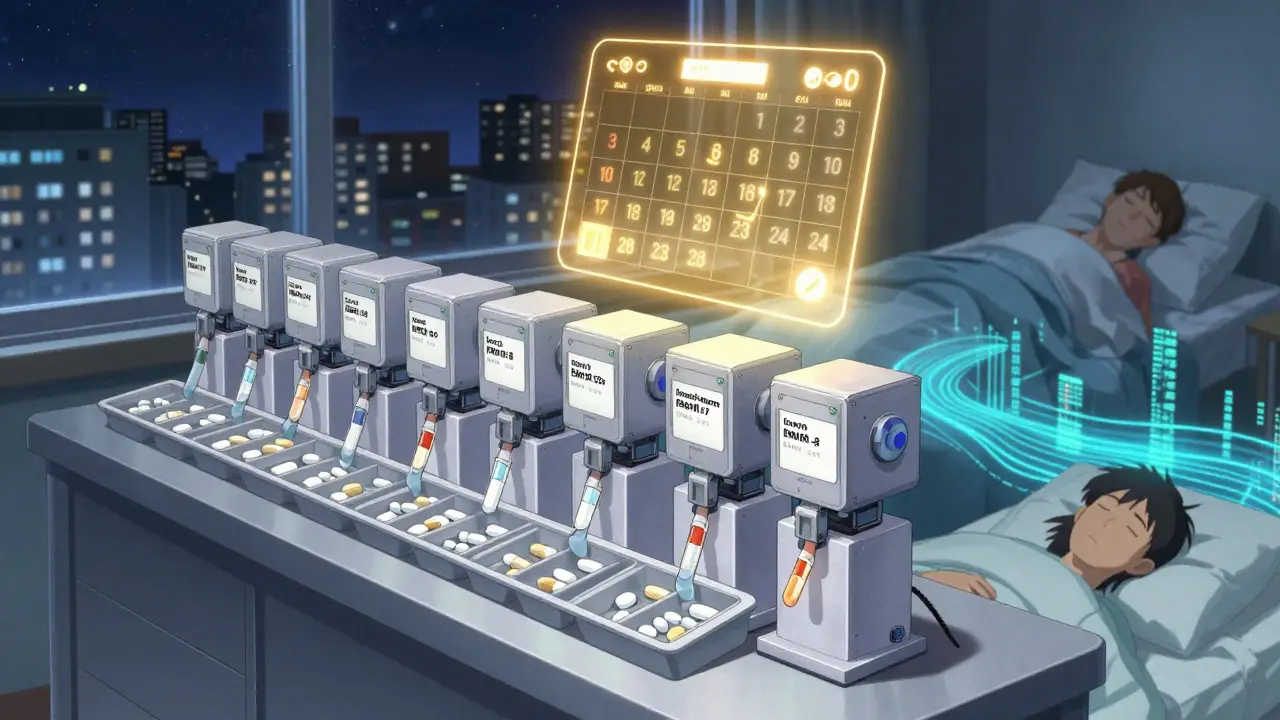
One of the biggest benefits of using one pharmacy is medication synchronization, or “med sync.” This isn’t just a perk-it’s a safety system. Med sync means all your prescriptions are due on the same day each month. No more juggling refill dates. No more forgetting one pill while you’re focused on another. Your pharmacy coordinates with your doctors to adjust refill schedules so everything lines up. They might give you a short-term fill to get you to the next sync date. It takes a few weeks to set up, but after that, it’s smooth sailing. This system doesn’t just make life easier. It saves lives. When your meds are synced, you’re more likely to take them correctly. Studies show 85-90% of patients stick with their meds when they’re on a sync schedule. That’s huge for conditions like diabetes, heart disease, or high cholesterol, where missing doses can lead to emergencies. Pharmacies like CVS, Walgreens, and many independents now offer med sync programs. You don’t need a special plan or insurance. Just ask. Most will set it up during your next refill or annual medication review.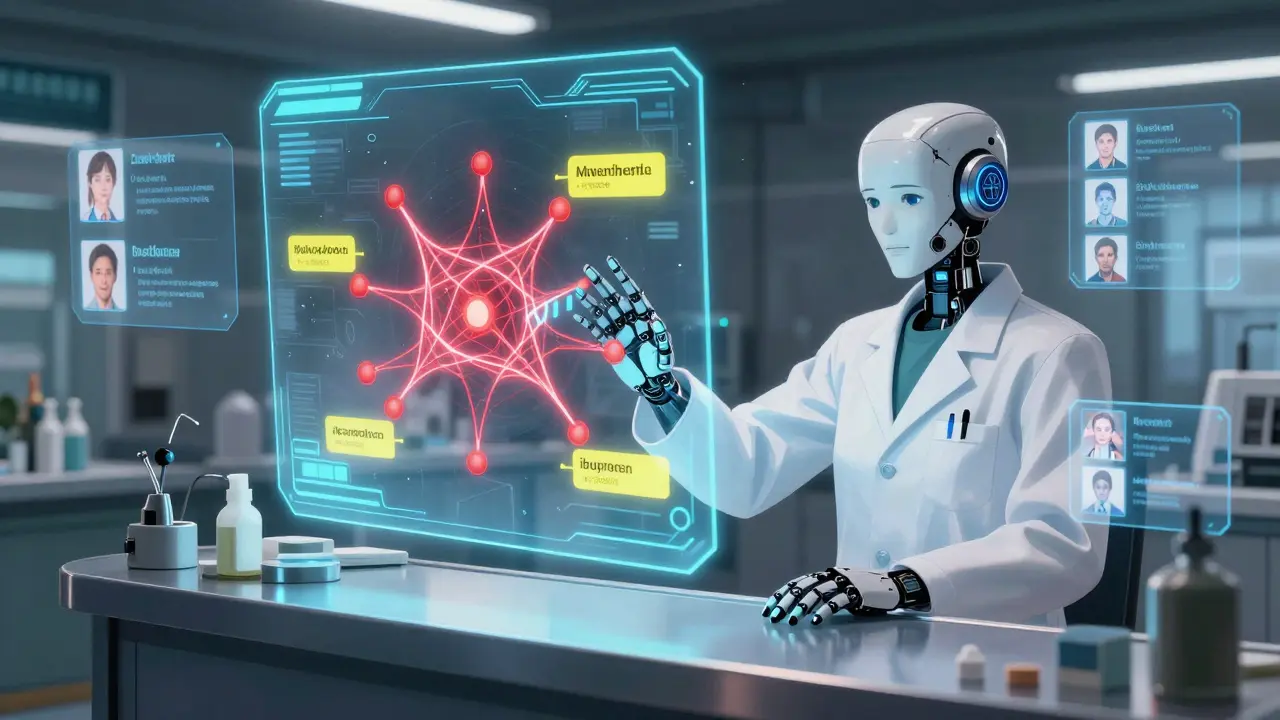
Cost vs. Safety: The Real Trade-Off
Let’s be honest: price matters. Many people use multiple pharmacies because they’re trying to save money. SingleCare’s 2023 data shows 63% of patients switch pharmacies to find lower prices-sometimes saving $150 to $300 a year. But here’s what those savings don’t tell you: the cost of a single preventable hospitalization from a drug interaction averages $8,750. That’s more than 20 times what you might save in a year. And it’s not just about money. It’s about stress. People who use multiple pharmacies report feeling confused about their meds. Avalon Pharmacy’s 2022 survey found 41% of these patients missed at least one dose each month. That’s not laziness-it’s overwhelm. The truth? You can save money and stay safe. Many pharmacies offer price-matching. Some have discount programs for long-term customers. Others accept manufacturer coupons-even for synced prescriptions. Talk to your pharmacist. Ask if they can beat a competitor’s price. Most will try.How to Make the Switch
Switching to one pharmacy is easier than you think. Here’s how to do it:- Choose your pharmacy. Pick one you trust and that’s convenient. It doesn’t have to be the cheapest-just the one you’ll stick with.
- Gather your list. Write down every medication you take: prescriptions, OTC pain relievers, vitamins, herbal supplements. Don’t leave anything out.
- Call or visit. Ask them to transfer all your prescriptions. Most transfers take 2-5 business days. They’ll handle the paperwork.
- Ask about med sync. Request to enroll in their medication synchronization program. They’ll adjust your refill dates so everything comes due on the same day.
- Keep your list updated. Add new meds right away-even if they’re just for a cold or a short-term issue.