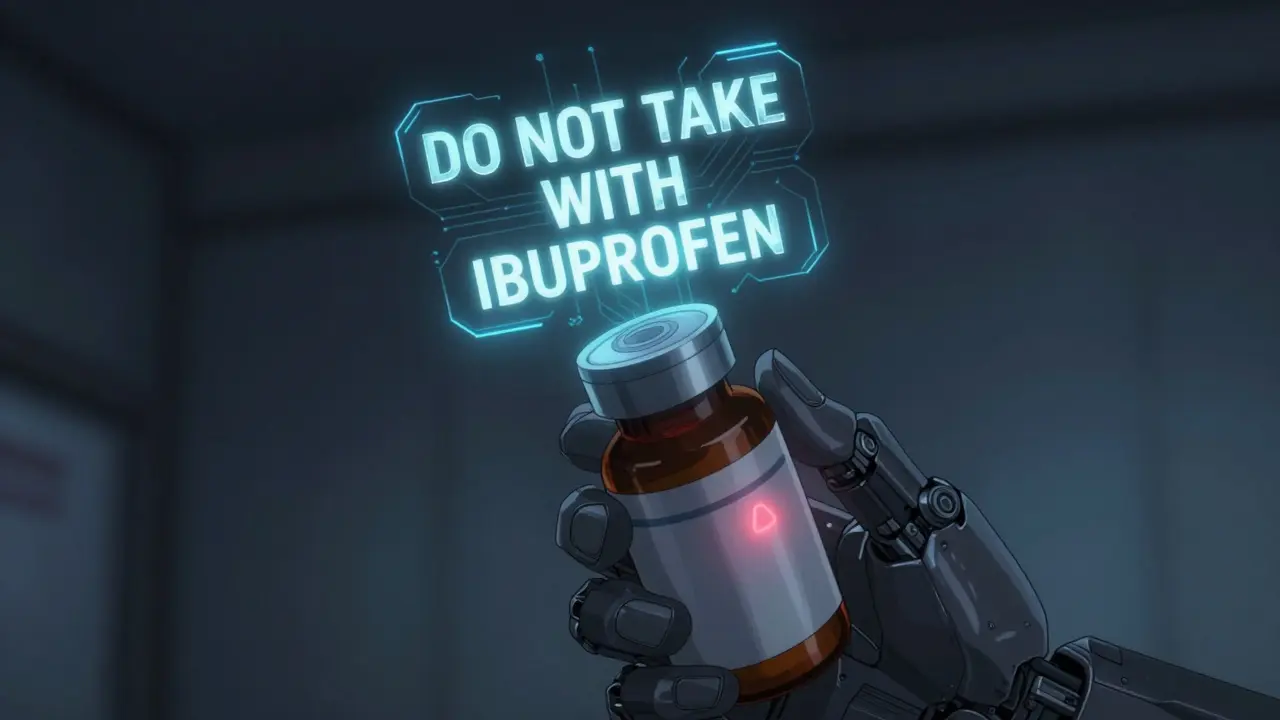
Every time you pick up a prescription, the little paper label on the bottle holds critical information that could save your life. But most people glance at it just long enough to see their name and the dosage-and miss the real danger signs. Drug interactions are one of the leading causes of preventable hospital visits, and nearly all of them happen because someone didn’t understand what their prescription label was telling them.
According to the FDA, about 30% of medication-related hospitalizations come from drug interactions that could have been avoided if the warning on the label had been read and understood. That’s not a small number. That’s 100,000 people a year in the U.S. alone. And it’s not just about mixing two pills. It’s about what you eat, what supplements you take, even what over-the-counter painkiller you grab off the shelf.
What’s on Your Prescription Label-and Where to Look
Your prescription label isn’t just a reminder to take your medicine. It’s a legal document with specific sections required by the FDA. The most important part for avoiding interactions is Section 7: Drug Interactions. This section doesn’t just list names of other drugs-it tells you exactly what to do.
Look for phrases like:
- “Avoid concomitant use of [Drug A] with [Drug B]”
- “Reduce dosage of [Drug A] when used with [Drug B]”
- “Monitor for [symptom] if used together”
These aren’t vague suggestions. They’re instructions. If the label says “avoid,” it means don’t take them together-not even hours apart. If it says “reduce dosage,” you need to check with your doctor or pharmacist before making any changes.
Don’t skip Section 5: Warnings and Precautions. This is where the FDA requires manufacturers to highlight the most serious interactions-those that can cause bleeding, heart problems, seizures, or even death. These warnings are often bolded or placed at the top of the section. If you see something like “May cause life-threatening serotonin syndrome,” that’s not a footnote. That’s a red flag.
Don’t Forget Over-the-Counter and Supplements
Many people think only prescription drugs interact. That’s a dangerous myth. The BeMedWise Foundation found that 98% of over-the-counter (OTC) medications list interaction warnings in their “Warnings” section-but only 57% of people actually read them.
Common OTC products like ibuprofen, cold medicines, and antacids can interfere with blood pressure drugs, antidepressants, and blood thinners. For example, taking ibuprofen with warfarin increases your risk of serious bleeding. Taking decongestants like pseudoephedrine with certain heart medications can spike your blood pressure to dangerous levels.
Supplements are even trickier. Ginkgo biloba, garlic, ginger, and St. John’s wort are all sold as “natural,” but they can cause real harm. A Harvard Health study documented 147 cases where people on warfarin experienced dangerous bleeding after taking ginkgo biloba. And here’s the kicker: prescription labels only mention supplement interactions in 17% of cases. That means you have to be the one to speak up.
Always tell your pharmacist or doctor about every supplement you take-even if you think it’s harmless. If you don’t, they can’t warn you.
How to Spot Confusing Language on Labels
Prescription labels use medical jargon that can be confusing. Terms like “concomitant use” or “pharmacokinetic interaction” aren’t meant for patients. But you don’t need to understand the science-you just need to know what to do.
Here’s how to translate the jargon:
- “Concomitant use” = taking at the same time
- “CYP3A4 inhibitor” = a drug that slows down how your body processes another drug (often leading to overdose)
- “Increased risk of QT prolongation” = can cause irregular heartbeat
When you see a term you don’t understand, don’t guess. Write it down and ask your pharmacist. Most pharmacies offer free 5-minute consultations when you pick up a new prescription. Use it.
On Reddit’s r/Pharmacy community, 78% of users said they ignored warnings because they didn’t know what phrases like “concomitant use” meant. That’s not your fault. The system is poorly designed. But you can fix it for yourself by asking for plain-language explanations.
Create a Complete Medication List
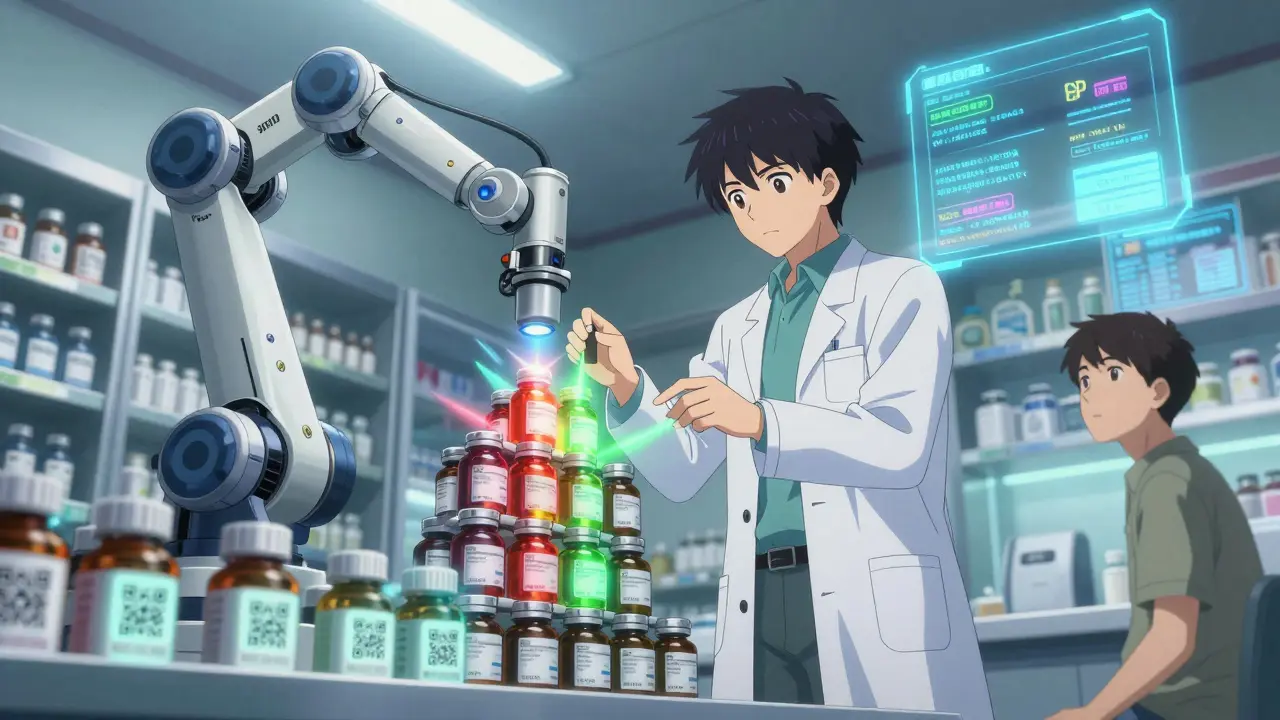
One of the most effective ways to prevent interactions is to know exactly what you’re taking. The BeMedWise Foundation found that people who keep a written list of all their medications reduce their risk of harmful interactions by 47%.
Your list should include:
- All prescription drugs (including names and dosages)
- All OTC medicines (pain relievers, sleep aids, antacids)
- All vitamins, minerals, and herbal supplements
- Any injectables or patches you use
Keep this list updated. Add new meds as soon as you get them. Delete ones you stop taking. Carry it with you to every doctor’s appointment and pharmacy visit. If you’re seeing multiple specialists, give them all the same list. This simple step can prevent a deadly mix-up.
Pro tip: Write the reason for each medication next to it. For example: “Clonazepam - for anxiety,” “Clonidine - for blood pressure.” This helps avoid confusion between similarly sounding drugs like Klonopin and clonidine, which the FDA says causes 12% of medication mix-ups.
Use Tools-But Don’t Rely on Them
Apps like Drugs.com Drug Interactions Checker are helpful. They process over a million queries a month and are 89% accurate. But they’re not perfect. They miss about 8% of prescription drugs and don’t account for your personal health history-like kidney function, age, or allergies.
Use apps as a second check, not your first line of defense. Always compare what the app says with what’s on your actual prescription label. If there’s a mismatch, call your pharmacist. They have access to your full medical record and can spot things an app can’t.
Also, don’t trust random websites or YouTube videos claiming to explain drug interactions. Only trust information from the FDA, CDC, or your licensed pharmacist.
Ask for Help-Don’t Guess
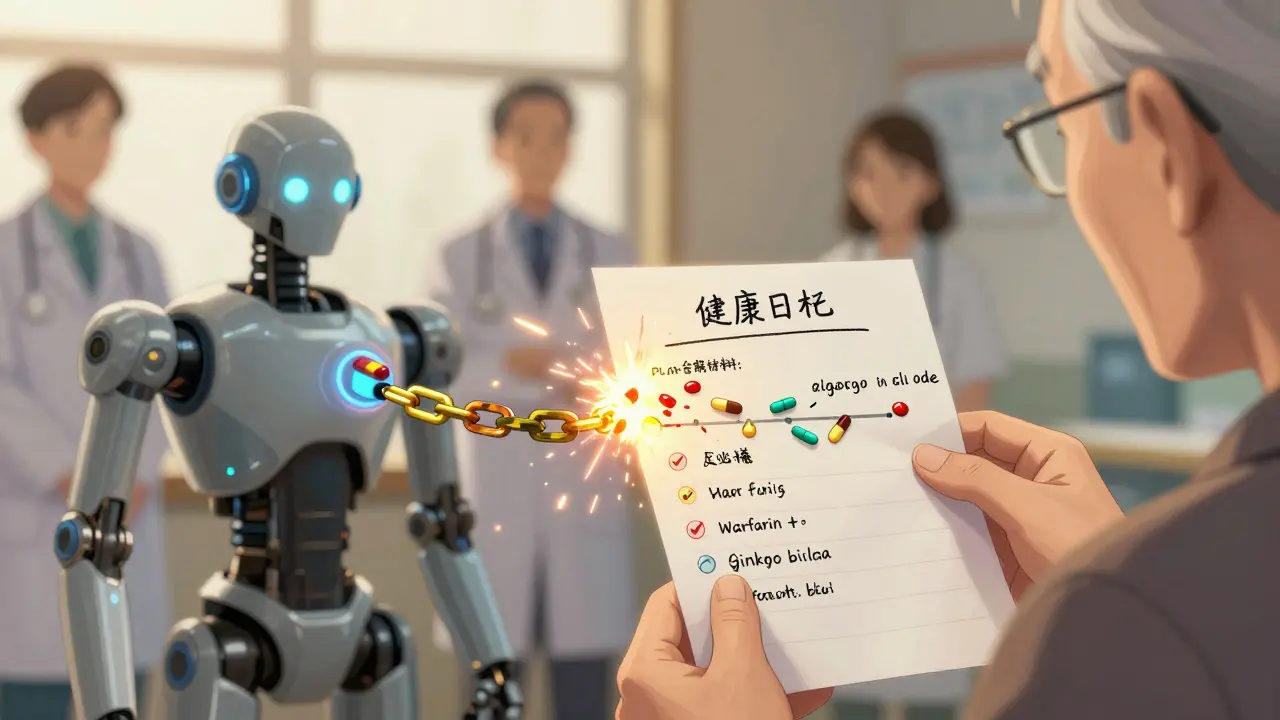
Pharmacists are trained specifically to catch drug interactions. Yet most people never ask them for help. A 2023 study of 10,000 pharmacy visits found that 22% of patients had at least one dangerous interaction that wasn’t caught until the pharmacist reviewed their full list.
When you pick up a new prescription, bring all your meds with you-even the empty bottles. Say: “I’m taking all of these. Can you check if anything here doesn’t mix?” That’s all it takes. Pharmacists are there for this exact reason.
And if you’re over 65 and taking five or more medications? You’re in the highest-risk group. The BeMedWise Foundation says 67% of seniors take five or more daily pills. That’s a recipe for interaction chaos. Make sure your pharmacist does a full med review at least once a year.
What’s Changing in 2025 and Beyond
The FDA is finally fixing some of the biggest problems with prescription labels. Starting in Q3 2025, drug manufacturers will be required to highlight critical interactions in bold text and include a “bottom line” summary at the top of the Drug Interactions section. Instead of burying the warning in 20 lines of text, the label will say something like:
Bottom Line: DO NOT take this with aspirin. Risk of severe bleeding.
Pilots are already testing QR codes on prescription bottles. Scan the code with your phone, and you’ll get a plain-language video explanation from your pharmacist. These changes are coming because the current system is failing too many people.
By 2026, electronic health records will automatically pull in FDA-approved interaction data when a doctor writes a prescription. That means your doctor will see a pop-up warning if you’re about to be prescribed something that clashes with your other meds.
But until then-you’re still the last line of defense. No app, no doctor, no label can replace your own attention.
Check the Label-Every Time
Never assume your new prescription is safe just because your last one was. Even small changes-like switching from one brand of blood pressure pill to another-can create new interactions. The CDC recommends a simple rule for everyone, especially for parents giving medicine to kids: “Read the label, follow directions, measure dose using the device that came with it.”
That rule applies to adults too. Read the label. Don’t skim. Don’t rely on memory. Don’t assume you know what it says. And if anything looks confusing, stop. Call your pharmacist. Ask for help. It takes less than two minutes per medication.
Drug interactions aren’t rare. They’re common. And they’re preventable. The information is already on your label. You just have to know where to look-and what to do when you find it.