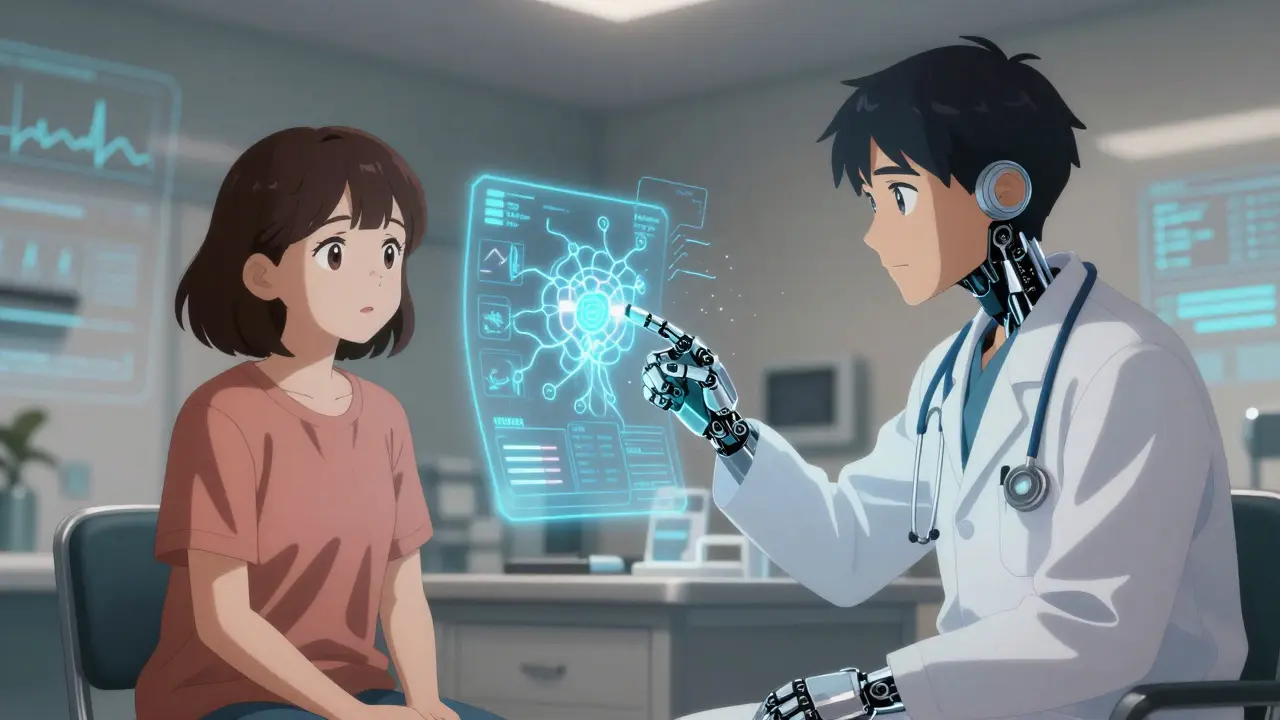
Healthcare providers aren’t just using new tools anymore-they’re changing how they think. By 2025, the people on the front lines of care-doctors, nurses, medical assistants, and allied health staff-are no longer resisting change. They’re adapting, redefining their roles, and even asking for better ways to work. This isn’t about gadgets. It’s about mindset.
Doctors aren’t just diagnosing anymore-they’re interpreting data
Five years ago, a patient walked in with a headache and a vague description. Today, they walk in with a full report: heart rate trends from their Apple Watch, sleep patterns from Oura, glucose levels from a continuous monitor, and notes from a health app they’ve been tracking for months. That’s not the future anymore. That’s Tuesday. Providers now have to be data translators. They’re not just listening to symptoms. They’re cross-referencing real-time biometrics, spotting anomalies, and deciding what’s noise and what’s warning. A 2025 NIH study found that physicians who regularly use consumer-generated health data make faster, more accurate decisions. But here’s the catch: they need training. Not on how to use an app, but on how to trust it, validate it, and talk about it without making patients feel like their data is being judged. This shift means the old model-doctor as authority, patient as passive recipient-is gone. The new model? Co-pilots. Patients are coming in with questions like, “My resting heart rate spiked last week-could this be stress or something else?” And providers have to respond not with a lecture, but with a conversation.AI isn’t replacing clinicians-it’s changing their daily rhythm
You hear a lot about AI taking over healthcare jobs. That’s not happening. What’s happening is that AI is taking over the boring stuff. Administrative tasks-prior authorization forms, coding errors, scheduling conflicts-are being handled by automated systems. That’s freeing up hours every week for clinicians. But here’s what’s less obvious: it’s also changing how they feel about their work. A Forrester report from early 2025 found that when AI handles routine tasks, provider burnout drops by nearly 30% in clinics that use it well. The key word is “well.” AI isn’t magic. If it’s poorly trained, it can misread data, suggest wrong treatments, or even reinforce biases. That’s why top-performing health systems aren’t just buying AI tools-they’re building governance teams. These teams include nurses, IT staff, ethicists, and frontline providers who review every algorithm before it goes live. And they’re training staff not to fear AI, but to question it. “Don’t use AI because it’s new,” one hospital chief told me. “Use it because it saves you 45 minutes a day so you can sit with a patient who’s scared.”Patients want control. Providers are learning to give it to them
The rise of digital front doors-online portals where patients can book appointments, pay bills, message their care team, and even consult a virtual nurse-isn’t just convenient. It’s changing expectations. A PwC survey from late 2024 showed that 68% of patients now expect to manage at least part of their care digitally. And they’re not asking politely. They’re demanding it. That means providers can’t just offer a portal. They have to design it like a product people actually want to use. Simple language. No jargon. Clear next steps. But here’s the deeper shift: patients aren’t just using tech-they’re designing their own care plans. Someone with diabetes might set a goal to lower their A1C, track meals on an app, and then bring that data to their provider to adjust insulin. The provider’s role? Not to dictate, but to collaborate. That’s a huge mental leap. It means letting go of control. It means accepting that the patient might know more about their own body than you do on any given day.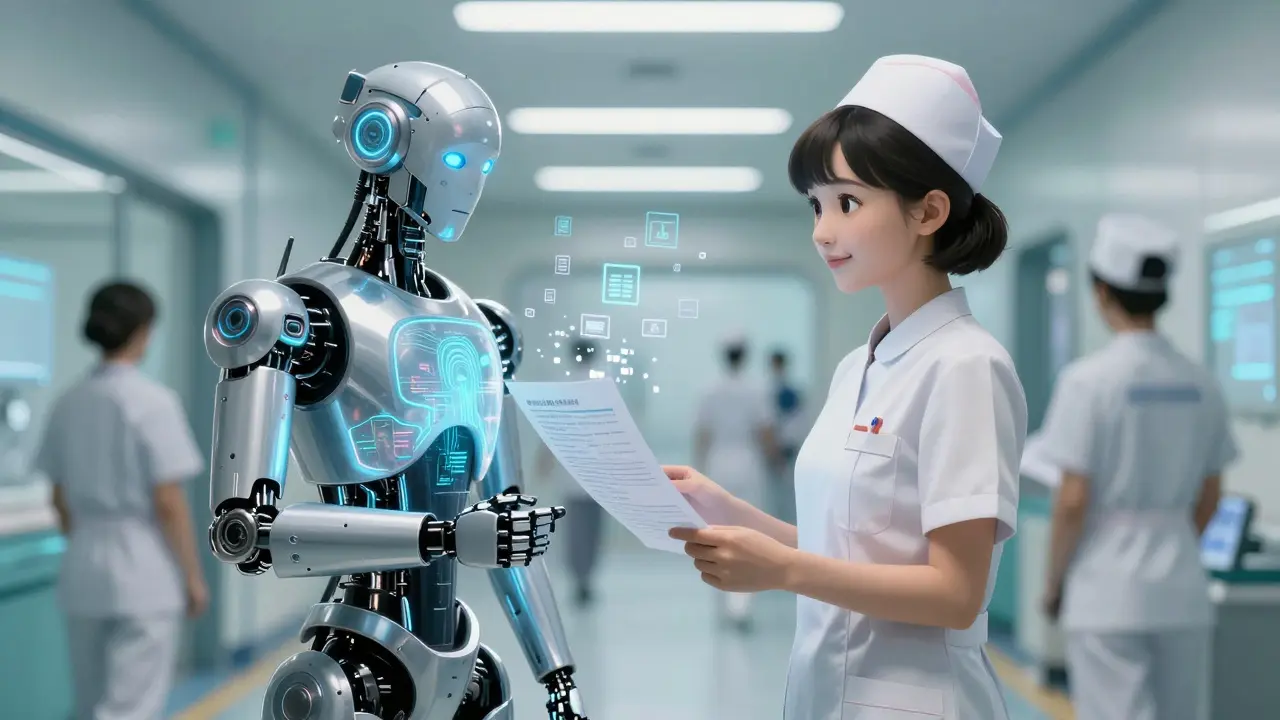
The workforce isn’t shrinking-it’s reshaping
There’s a myth that healthcare is short on people. It’s not. It’s short on people who are trained, supported, and valued. The National Healthcareer Association found that 71% of employers are now paying higher wages for employees who earn certifications. Medical assistants with CMA credentials, pharmacy techs with PTCB certification, phlebotomists with NHA credentials-they’re not just filling roles. They’re becoming essential partners in care. And it’s working. Clinics that invest in certification programs see 40% higher retention rates. Why? Because people feel seen. They’re not just “staff.” They’re professionals. That’s a mindset shift for providers too. Instead of seeing allied health workers as assistants, they’re learning to see them as equals. A certified medical assistant can now triage a patient, manage chronic conditions under supervision, and even lead group education sessions. That’s not delegation. That’s empowerment.Work isn’t where it used to be
Remember when you had to be in the clinic from 8 to 5? That’s fading fast. Virtual visits aren’t just for minor issues anymore. Chronic disease management, mental health check-ins, post-op follow-ups-all happening remotely. And providers are OK with it. A NIH study found that 62% of clinicians now prefer hybrid schedules: two days in person, three days virtual. Why? Flexibility. Less commute. More time with family. And yes, less burnout. But this isn’t just about convenience. It’s about access. A rural patient in Maine can now get a dermatology consult from a specialist in Atlanta without driving four hours. A single mom in Manchester can get a mental health session during her lunch break. Providers who resist this shift aren’t just behind-they’re limiting their own reach.